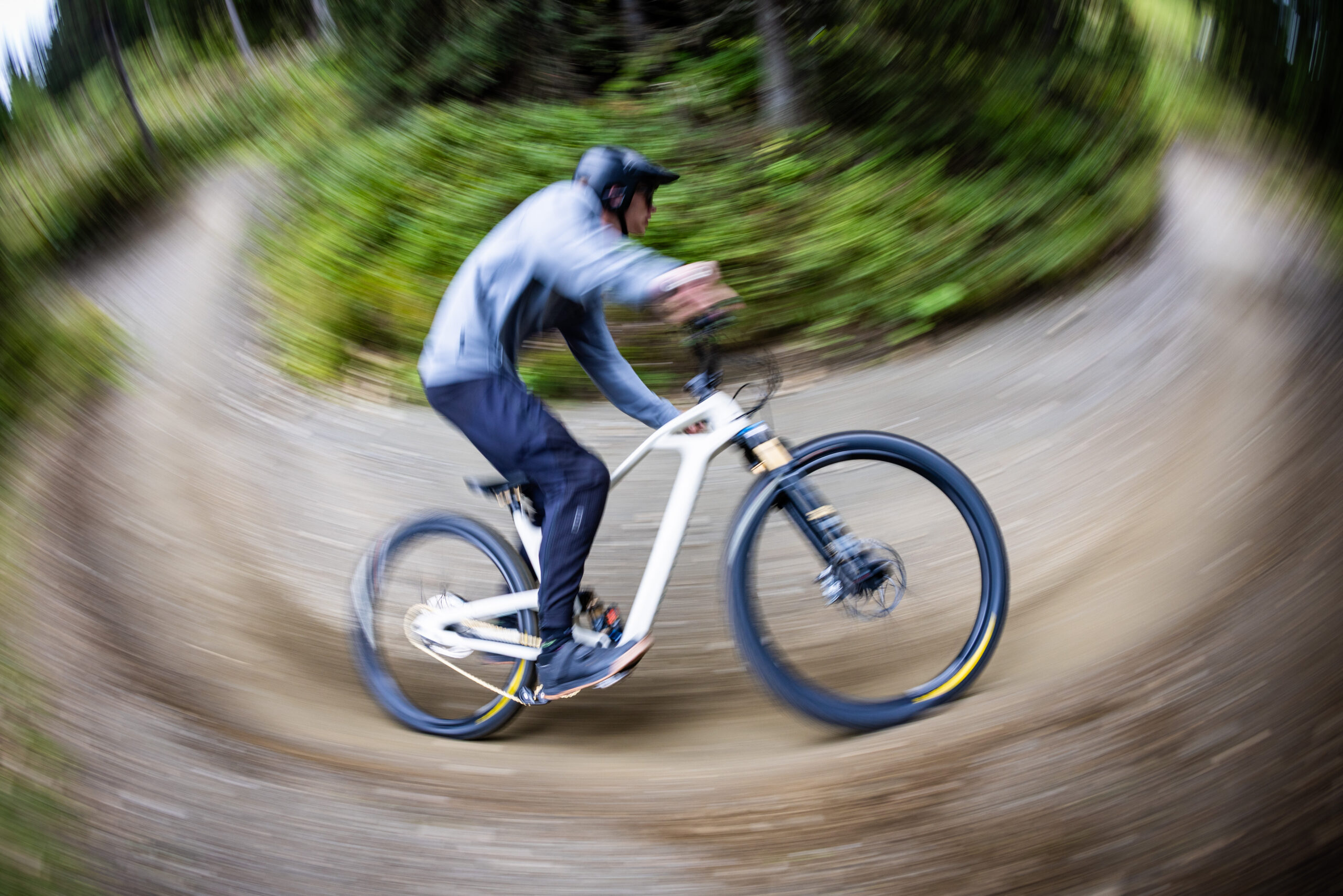
You feel the difference before the first long climb is over. A good lightweight full power eMTB does not just save a few pounds on the scale – it changes how the bike reacts under power, how accurately it holds a line, and how willing it feels when the trail turns awkward, steep, or fast. That is the real appeal. Riders are not chasing a number for its own sake. They want full-assist performance without the heavy, muted ride character that has defined too many eMTBs.
Why the lightweight full power eMTB category matters
For experienced riders, this category solves a specific problem. Traditional full-power eMTBs offer strong support and useful range, but many carry enough mass to flatten trail feedback and dull rider input. Lightweight assist bikes often improve agility, yet they can fall short when the ride involves sustained elevation, technical climbing, or repeated laps where stronger torque still matters.
A lightweight full power eMTB sits in the narrow space between those compromises. The goal is not to build the absolute lightest electric mountain bike. The goal is to deliver genuine full-power assistance in a package that still feels like a performance mountain bike first. That distinction matters on demanding terrain, especially where climbing traction, mid-corner composure, and quick line changes all have to coexist.
This is why the category has become more relevant for advanced trail and enduro riders. As motors, batteries, and frame systems improve, the best bikes no longer ask you to choose so bluntly between support and handling. They start to feel more integrated, more balanced, and far more rewarding over a full day in the mountains.
Weight is only part of the story
It is easy to reduce the conversation to a claimed bike weight, but that misses the engineering question. Two bikes can sit close on the scale and feel completely different on trail. What matters is where the mass sits, how the chassis manages load, and whether the bike remains calm without becoming sluggish.
A serious lightweight full power eMTB needs more than a lighter motor or a smaller battery. It needs a coherent system. Frame stiffness has to be tuned so the bike tracks precisely without feeling harsh. Suspension kinematics have to support the extra drive force and the extra speed of assisted climbing. Geometry has to stay modern and stable, but it cannot rely on sheer mass to create confidence.
The best bikes in this segment feel planted rather than heavy. That difference is subtle on paper and obvious on trail. A heavy bike can hide mistakes simply by steamrolling terrain. A lighter, full-power platform has to earn its stability through design quality.
Motor character matters as much as torque
Full power still means full power. Riders in this category are not looking for watered-down assistance. They want the authority to clear steep access climbs, recover quickly between descents, and ride bigger terrain with less energy cost. But raw torque figures alone do not define ride quality.
The more useful question is how the motor delivers support under real trail loads. Does it engage smoothly on technical climbs, or does it surge and upset traction? Does it maintain natural assistance at high cadence, or does it feel strained when the pace rises? Does it add noise and drag that become tiring over long rides?
A refined drive unit changes the entire experience. Systems such as the maxon bikedrive AIR S have shown why premium riders pay attention to more than headline output. Low system weight, controlled support delivery, and a quieter ride can make a full-power bike feel more precise and less mechanical. That becomes especially important on natural trails where grip is inconsistent and power application has to stay measured.
Battery size is a trade-off, not a simple ranking
Battery conversations often drift toward maximum capacity, as if bigger automatically means better. For some riders, it does. If your priority is all-day range at higher assist levels, a large battery remains a practical choice. But in a lightweight full power eMTB, battery size has direct consequences for handling, frame packaging, and ride feel.
A smaller, well-integrated battery can help keep system weight down and preserve a more agile chassis. That may be the better decision for riders who value dynamic handling, who pedal actively, and who do not need expedition-level range on every ride. The trade-off is obvious – less reserve if you spend long days in Turbo or repeatedly stack steep vertical.
This is where honest self-assessment matters. If your riding is built around fast two-hour sessions, lift-free after-work laps, or technical trail rides where responsiveness is the priority, carrying excess battery can be counterproductive. If you regularly ride huge alpine days, the equation changes. A high-end bike should be designed around the intended use case rather than chasing the largest number in the brochure.
Geometry and suspension decide whether it rides like a real mountain bike
A lightweight motor system does not automatically create a great bike. If the geometry is conservative or the suspension platform is poorly resolved, the result still feels compromised. Advanced riders will notice this immediately, especially when terrain becomes fast, rough, or steep.
Reach, front-center balance, chainstay length, and stack all shape how naturally the bike can be pushed. On a strong eMTB, climbing geometry is particularly important. Too much front-end wander and the added motor support becomes difficult to use on technical grades. Too little composure on descent and the bike loses the confidence expected from a serious trail or enduro platform.
Suspension needs equal attention. Anti-squat, leverage progression, and mid-stroke support all interact differently on an assisted bike because speeds rise and repeated impacts arrive sooner. A well-sorted platform stays calm under power, keeps traction on awkward climbs, and resists wallow when the rider is driving hard through compressed terrain.
Aquí es donde boutique engineering still has an advantage. Brands building in smaller volumes can tune complete systems with more discipline rather than stretching one generic frame concept across every category.
Material choices and component spec are not secondary
The phrase lightweight full power eMTB often suggests that frame material is the main answer. In reality, material is only one part of the system. Carbon construction can reduce mass and allow precise shaping, but it only adds value if the layup, hardware, and frame details are equally considered.
The same applies to parts. A thoughtful build can save meaningful weight without undermining durability. Rotating mass is especially important. Tire casing, wheel design, and insert choice all influence acceleration, steering, and climbing feel more than many riders expect. But there is no free lunch here. A very light wheel and tire package may feel exceptional on smoother terrain and become a liability in sharp rock at eMTB speeds.
Brake choice, fork stiffness, and drivetrain architecture also deserve scrutiny. Premium buyers know that a bike is not sophisticated simply because it carries expensive parts. What matters is whether every choice supports the platform. A coherent build feels deliberate. A showroom build often feels mixed.
Who should actually buy a lightweight full power eMTB?
This category makes the most sense for riders who already know what they dislike about conventional eMTBs. If you have spent time on heavier full-power bikes and found them stable but numb, this is the natural next step. If you have tried lightweight assist bikes and wished for more authority on serious climbs, this category likely fits as well.
It is particularly compelling for strong riders who still want the bike to reward active technique. They do not want a machine that erases trail character. They want one that expands range and repeatability while preserving timing, line choice, and body input.
It may be less convincing for riders whose top priority is either maximum range or minimum cost. Lightweight full-power systems require expensive engineering. The best examples are rarely budget bikes, and they should not pretend to be. This is premium equipment for riders who can feel the difference and care enough to invest in it.
Why this segment is pushing eMTB design forward
The most interesting development in eMTB design is not simply that bikes are getting lighter. It is that expectations are getting sharper. Riders now expect electric assistance to coexist with refined handling, quiet operation, serviceable systems, and genuine chassis quality.
That shift benefits the entire category. It forces manufacturers to think beyond motor output and battery size. It rewards brands willing to engineer around ride feel, balance, and long-term ownership. In the premium end of the market, that often means hand-built production, tighter platform focus, and systems chosen because they work on real mountain terrain rather than because they are easiest to market.
A brand like INSTINCTIV reflects that mindset well. The appeal is not novelty for its own sake. It is the idea that a full-power eMTB can be exclusive, fast, technically resolved, and still feel like a proper mountain bike when the trail gets rough.
The right lightweight full power eMTB should leave you thinking less about the motor and more about the line ahead. That is when the engineering has done its job.