

Cómo diseñamos el bikes
Hacemos las cosas un poco diferentes. No solo diseñamos el bikes íntegramente en nuestra propia empresa, sino que además lo fabricamos por encargo. Cada bike es único y no trabajamos con años de modelo.
el principio
Nuestro bikes, en realidad, empezó como un sueño, no como un plan de negocio. Normalmente empieza con: «¿Y si diseñáramos…?»
Lo comentamos en nuestro equipo, hablamos con ciclistas en los que confiamos y empezamos a soñar con una bike que nos encantaría montar nosotros mismos.
Para nosotros, lo importante es el diseño y la calidad de conducción. El bikes debería aportar algo nuevo, tener un aspecto especial y ofrecer una calidad de conducción excepcional, lo que para nosotros significa que deben ser rápidas, equilibradas y que transmitan confianza.


estrategia
Primero nos ponemos a hacer los deberes. Está claro que sabemos bastante de lo que pasa en el sector, pero aun así empezamos por investigar.
Hablamos con los motoristas, echamos un vistazo a las últimas hojas de ruta de los proveedores, analizamos lo que están haciendo otros fabricantes y probamos la bikes.
Este es el momento en el que empezamos a desarrollar algunas ideas iniciales sobre geometría, cinemática, el drivetrain y los componentes. Y usamos nuestras potentes herramientas de diseño para crear ideas iniciales sobre el nuevo lenguaje de diseño del bike, sin haber hecho todavía ni un solo boceto.


cinemática y geometría
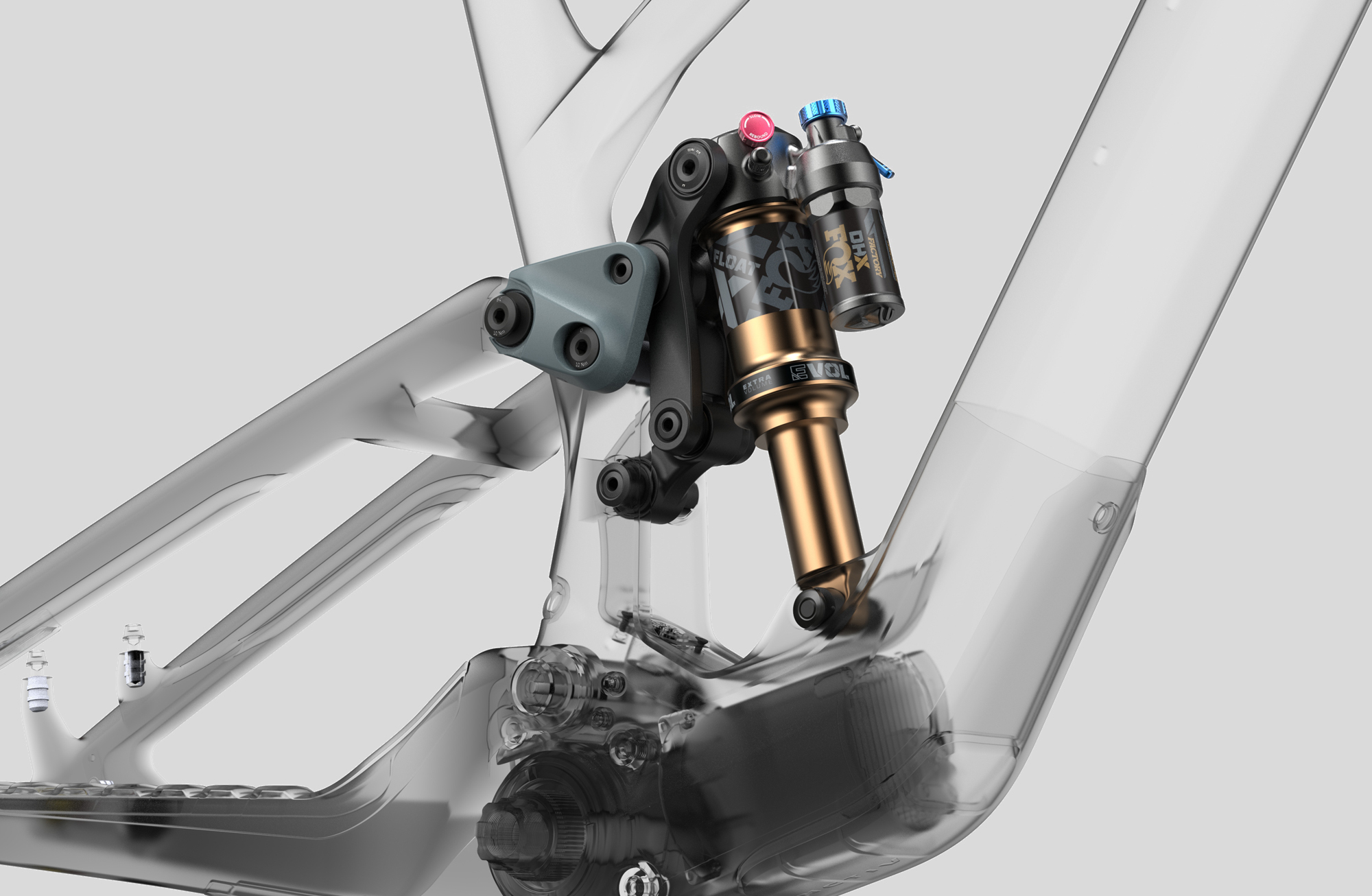
La geometría y la cinemática son factores importantes en nuestro diseño inicial del bike. Con las primeras ideas sobre geometría y cinemática, nos pusimos manos a la obra. Creamos los primeros modelos CAD en 3D de la configuración preliminar de la suspensión, con el rockers, los ejes, el links y los rodamientos, y realizamos muchas simulaciones para ver si podemos dar con algo que nos guste de verdad.
No solo simulamos y hacemos pruebas en CAD, sino que también salimos a la carretera y probamos con el prototipo de prueba bikes y otros prototipos. El desarrollo no sigue una línea recta, así que, tras las pruebas, a menudo tenemos que volver a la mesa de diseño para mejorar el proyecto y poder volver a probarlo.


diseño conceptual
Al mismo tiempo que trabajamos en la cinemática, la geometría y la configuración inicial del CAD en 3D para las piezas de la suspensión, también nos ocupamos del lenguaje de diseño general del nuevo bike. De hecho, esto sigue siendo un trabajo manual: hacemos un montón de bocetos que, poco a poco, van mejorando y se vuelven más realistas a medida que vamos recibiendo más información sobre dónde irán los puntos del pivot real y cómo funcionará la suspensión.
Cuantas más ideas se nos ocurran que nos gusten, más detalles iremos añadiendo, tanto en el propio chasis como en los componentes, para hacernos una idea clara de cómo quedará el bike al completo.


ingeniería
Una vez que el diseño conceptual está listo, empezamos a modelar las superficies en CAD 3D para construir el chasis, integrar los elementos de la suspensión, los componentes de la transmisión, la batería y todas las piezas pequeñas.
Además, este proceso no es lineal y tarda muchos meses en completarse, ya que somos muy meticulosos con el diseño y los detalles.
Para conseguir el máximo rendimiento con el mínimo peso, utilizamos simulaciones y hacemos pruebas con los primeros prototipos.
Además de un conjunto completo de archivos CAD en 3D, elaboramos una lista de materiales y un conjunto completo de planos en 2D durante la fase de transición a la producción de los primeros prototipos.

creación de prototipos
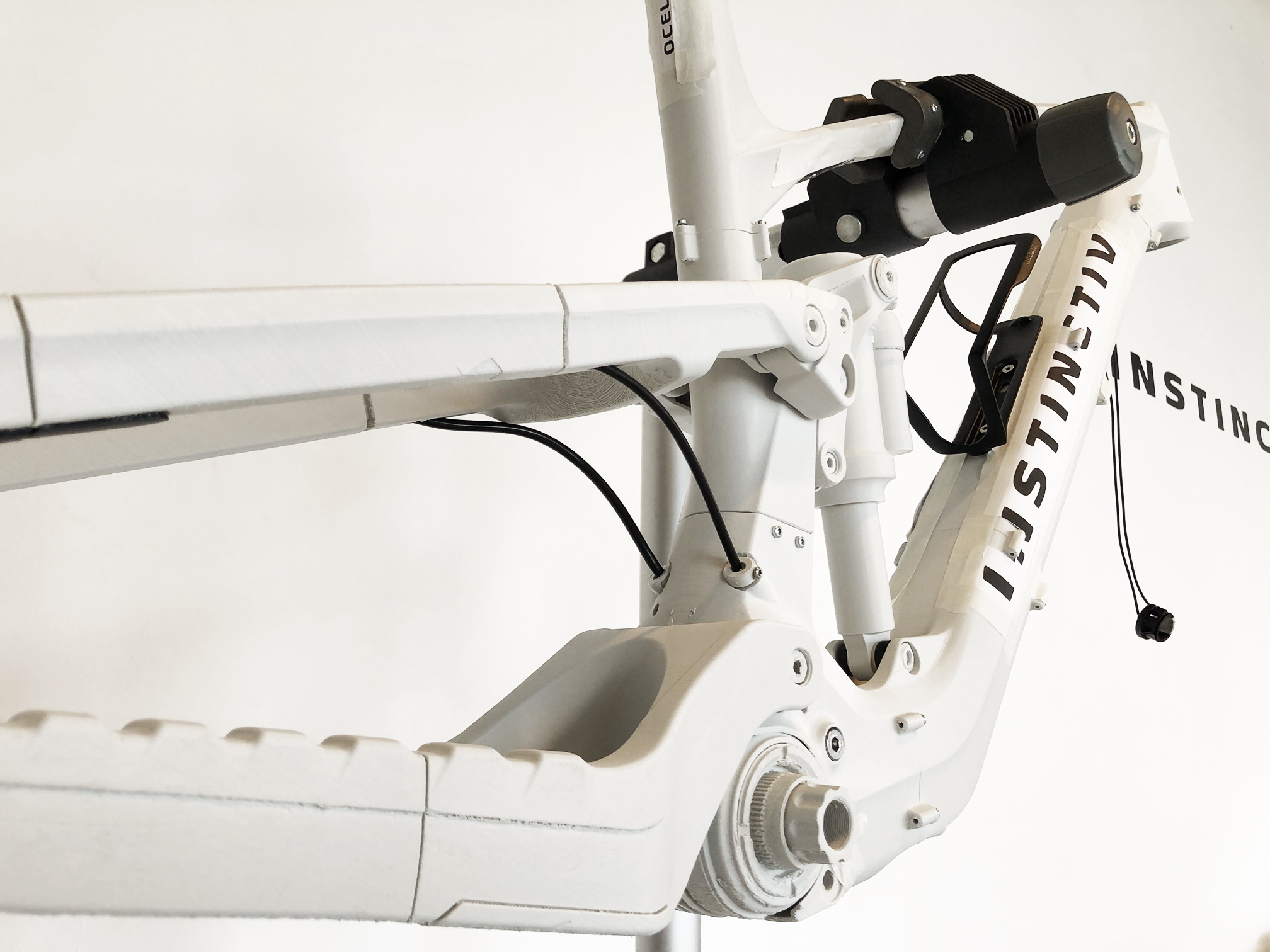
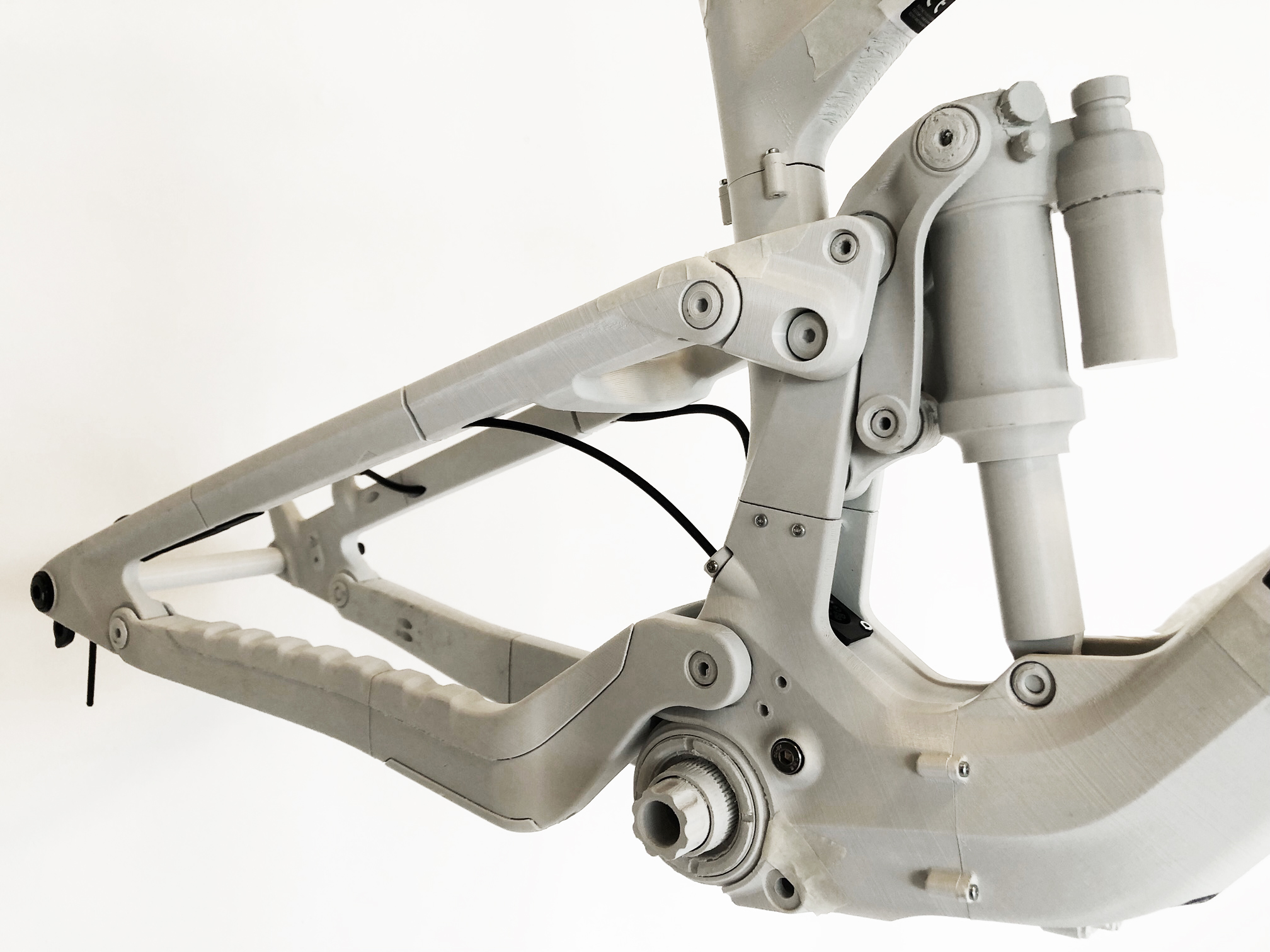
Tanto en la fase de concepción como en la de ingeniería, construimos prototipos. Los primeros prototipos suelen ser más bien prototipos de prueba (como el bikes) o maquetas, o pueden estar impresos en 3D. Los usamos sobre todo para probar formas, cinemática y soluciones de ingeniería.
Los prototipos impresos en 3D son ideales para comprobar cómo encajan los motores, las baterías, los cables y el seat tube. Al final de la fase de ingeniería, fabricamos los primeros prototipos del carbon. Esto lo hacemos en colaboración con uno de nuestros socios fabricantes del carbon.
Esta primera serie de prototipos completos del carbon funciona perfectamente y los usamos para probar su rendimiento, cinemática y durabilidad.
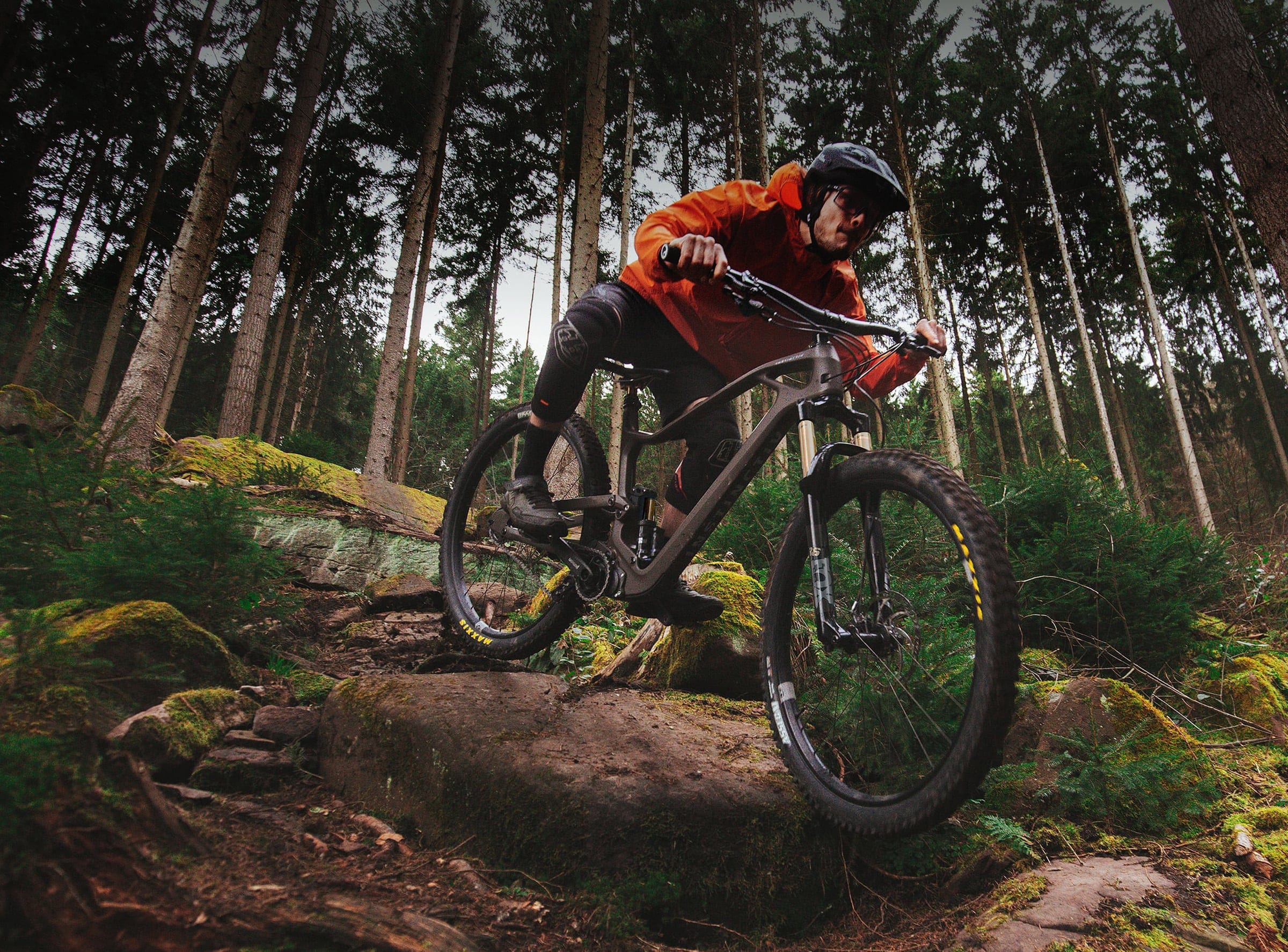
Llevamos el bikes al trails en los Alpes, Croacia y Eslovenia, y los ponemos a prueba hasta el límite. Durante el periodo de pruebas, documentamos todas las mejoras y actualizamos los archivos CAD cuando es necesario.
Esto dará lugar a una serie de prototipos actualizados, que se utilizarán para las pruebas de la norma ISO 4210, la certificación CE, las pruebas según otras normas y para mostrarlos al público.

pruebas
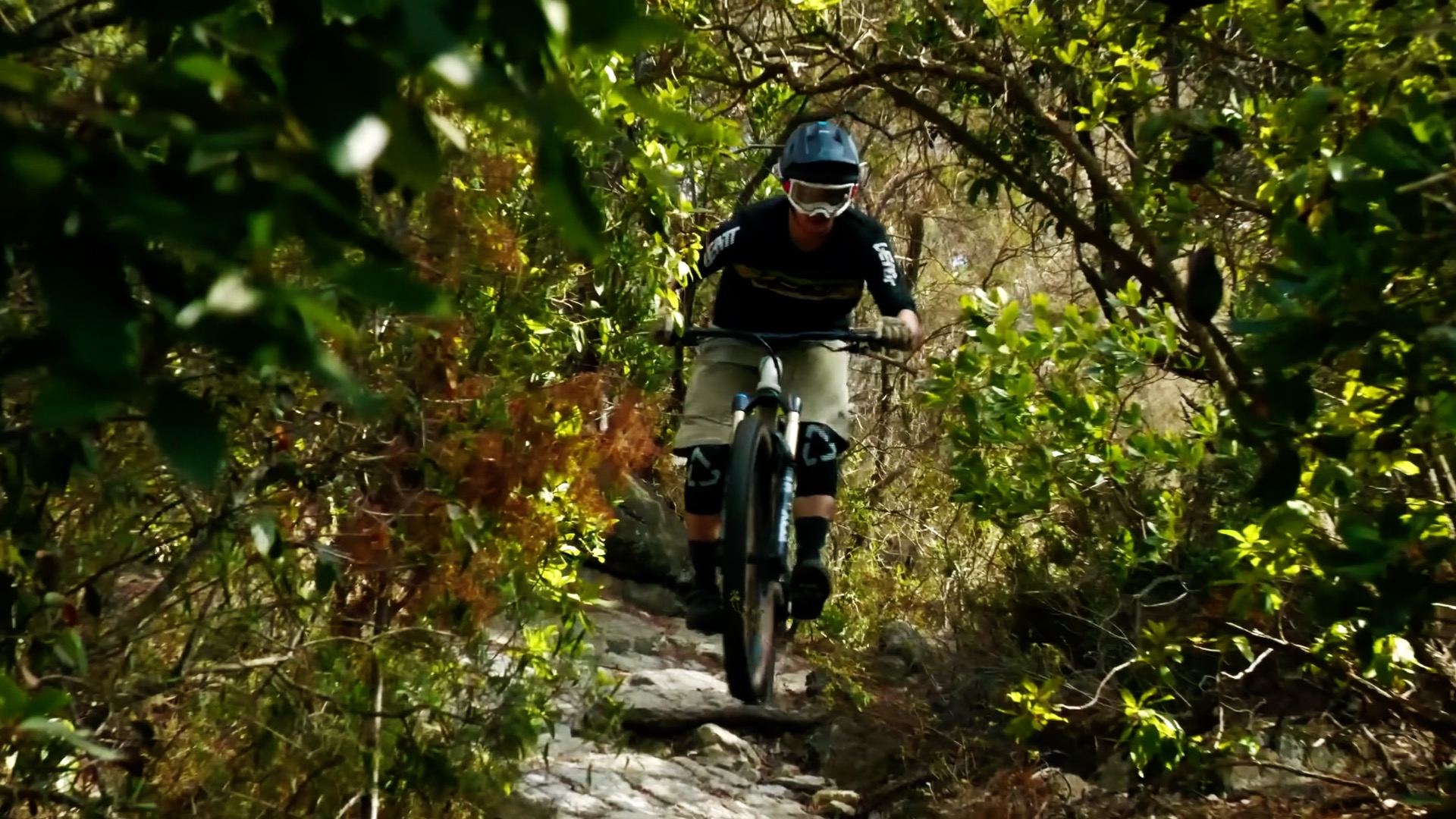
Para las pruebas de rendimiento exhaustivas, utilizamos nuestras instalaciones en Croacia y Eslovenia. Si los cuadros y los componentes aguantan los senderos naturales extremadamente rocosos y técnicos de allí, aguantarán prácticamente cualquier cosa.
Probamos prototipos en el circuito Alpine trails de Jamnica (Eslovenia) y en los circuitos trails de la UCI en Premantura (Croacia), Kamenjak (Croacia) y Rabac (Croacia). Además de estos circuitos de pruebas, tenemos pilotos de pruebas en Suiza que participan en carreras del Enduro.
fabricado en Europa
La mayoría de nuestras fases de producción se llevan a cabo en Europa; de hecho, aportamos alrededor del 65 % del valor de producción en Europa. Muchos de los componentes de alta gama que usamos en nuestro bikes también se fabrican en Europa.
Fabricamos nuestro bikes íntegramente en nuestras propias instalaciones con nuestro propio personal. Solo las piezas en bruto del carbon provienen de un fabricante asiático de chasis de primera calidad para el carbon.
Comprobamos la calidad de todas las piezas en nuestras propias instalaciones, encargamos el recubrimiento en Europa y también nos encargamos del montaje completo de nuestros cuadros aquí mismo, siguiendo nuestro propio sistema de calidad.