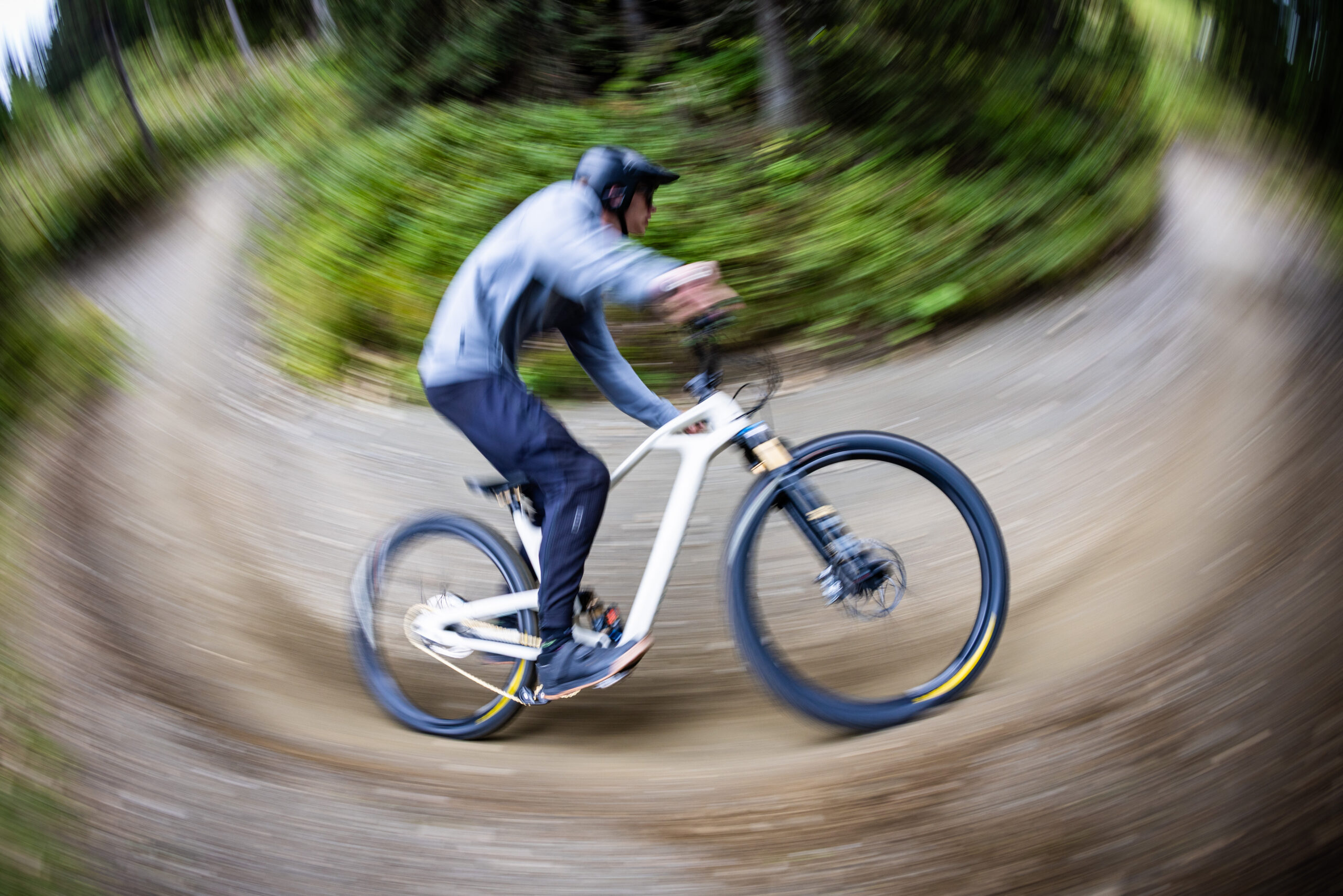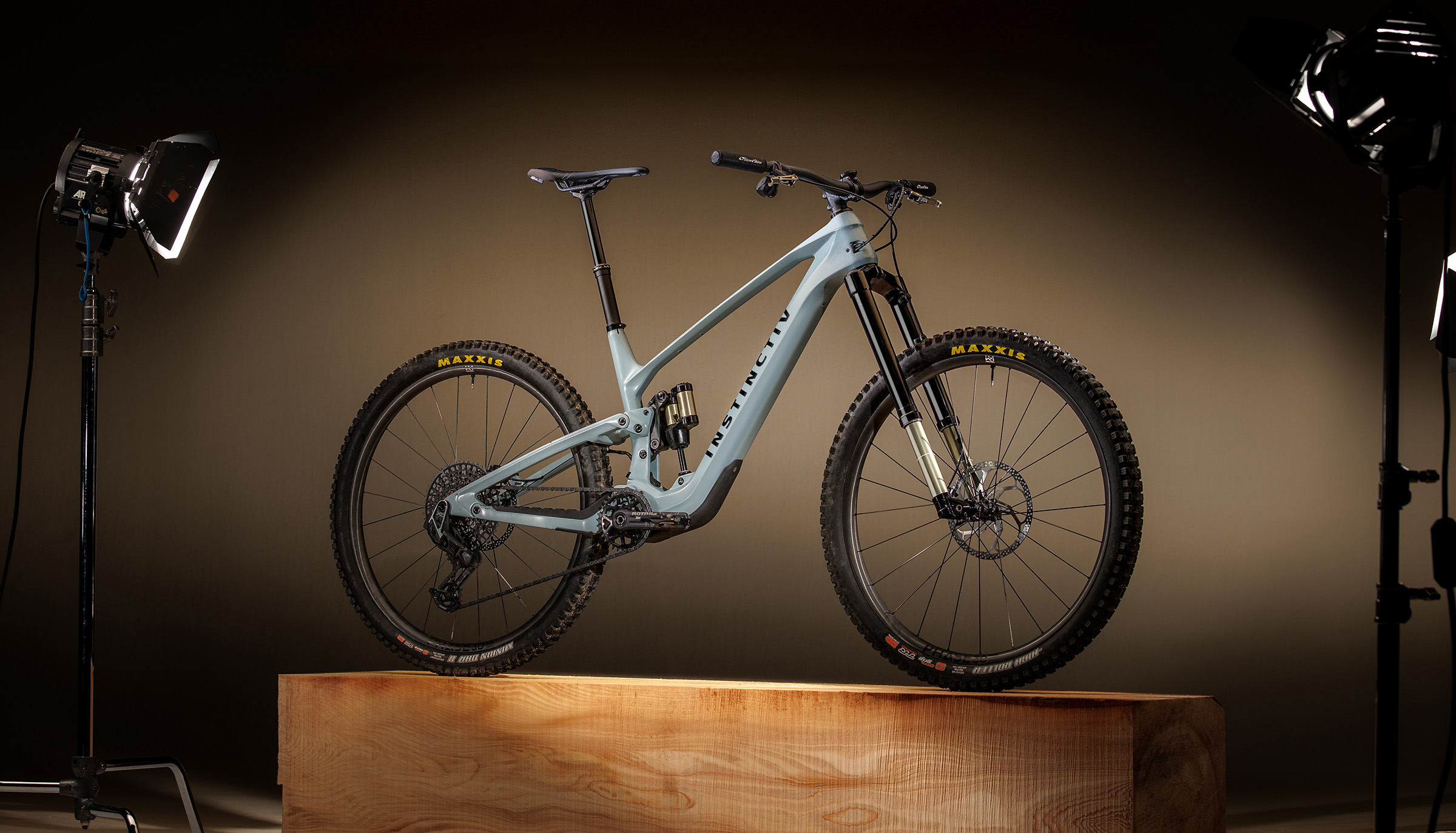
If you have ever stepped off a mass-market mountain bike and onto something built in smaller numbers, the difference is rarely about paint or branding. It is usually in the way the chassis settles into rough ground, how the rear end tracks under power, and how few compromises you can feel between efficiency, silence, grip, and stability. That is the real question behind is a boutique bike worth it.
For serious riders, the answer is not automatically yes. Boutique bikes cost more, and sometimes a lot more. But price alone is a blunt tool. What matters is whether that extra cost buys meaningful gains in ride quality, engineering, durability, and ownership experience – or whether it simply buys rarity.
Is a boutique bike worth it when performance is the priority?
If performance is the first filter, boutique bikes can make a very strong case. Smaller manufacturers tend to build around a clear engineering point of view instead of trying to satisfy every price bracket, every retailer, and every trend cycle at once. That focus often shows up in the details that experienced riders notice immediately.
Frame kinematics are usually a good place to start. On a high-end boutique platform, suspension behavior is often tuned for a very specific result: better support in the mid-stroke, more sensitivity off the top, or greater composure when braking in steep terrain. That does not mean every boutique bike rides better than every large-brand bike. It means the best ones are often less diluted. They are designed around a coherent performance target, not a broad sales matrix.
The same applies to chassis stiffness and weight distribution. A premium frame can feel calmer at speed not because it is dramatically stiffer everywhere, but because stiffness is managed more precisely through the front triangle, rear triangle, and linkage. Good boutique engineering tends to feel intentional. The bike tracks cleanly, loads predictably, and gives clearer feedback when trails get fast and uneven.
For riders who spend long days on technical terrain, these differences are not abstract. They affect line choice, fatigue, traction, and confidence.
What you are really paying for
A boutique bike is rarely expensive for just one reason. The price usually reflects a stack of decisions that are difficult to execute at scale.
The first is lower-volume manufacturing. Small-batch production typically means more oversight, tighter process control, and less pressure to standardize everything around cost. If a brand is building frames in-house or within a tightly managed European supply chain, there is often more accountability in the product and a shorter distance between design intent and final assembly.
The second is component philosophy. Boutique brands often avoid value-engineered parts that exist mainly to hit a price point. Instead, they tend to choose systems because they serve the platform. That may mean a drivetrain with lower maintenance, a suspension layout that works best with a specific shock tune, or wheel and brake choices that suit aggressive riding rather than showroom appeal.
The third is design freedom. A specialist builder can pursue solutions that larger brands may avoid because they are harder to explain, harder to source, or too niche for broad distribution. Gearboxes, belt drives, compact high-output e-drive systems, and frame-first build concepts all sit in this category. These are not novelty features when they solve a real riding problem.
Is a boutique bike worth it if you care about long-term ownership?
For many experienced riders, this is where the argument becomes stronger.
A bike that rides brilliantly for six weeks but becomes noisy, worn, or maintenance-heavy by midseason is not a premium product in any meaningful sense. Long-term ownership matters, especially for riders putting in real vertical, riding in bad weather, or covering big mileage on eMTBs.
Boutique bikes can justify themselves when they reduce friction in ownership. That may come from smarter frame protection, cleaner cable routing, more durable bearing placement, or drivetrain systems designed to stay consistent in harsh conditions. In some cases, the smartest premium choice is not the lightest or flashiest setup. It is the one that keeps working quietly and accurately after months of hard use.
This is one reason gearbox-driven mountain bikes have gained such a loyal following among riders who prioritize reliability. Moving mass toward the center of the bike changes handling character in a useful way, and separating shifting performance from mud and impact exposure has obvious advantages. Pair that with a belt drive and electronic shifting, and the appeal is not theoretical. You get less drivetrain mess, fewer vulnerable parts, and a system built for repeated hard riding rather than constant adjustment.
That kind of ownership value does not show up clearly on a shop floor. It shows up over a year, or three.
Where boutique bikes can fall short
There are trade-offs, and serious buyers should be honest about them.
First, boutique bikes are not always the best value in a simple dollars-per-spec comparison. A larger brand can often offer a more aggressive build kit at the same price because of purchasing volume. If your buying decision starts and ends with drivetrain tier, wheel badge, and fork model, the big brands can look very compelling.
Second, some boutique brands are better at engineering than service support. Exclusive is only an advantage if replacement parts, setup guidance, and warranty handling are equally well considered. A premium product needs premium after-sales support, especially when proprietary systems are involved.
Third, boutique does not automatically mean refined. Small brands can be ambitious, but ambition without development depth can lead to avoidable issues in tolerances, integration, or ride balance. A niche concept is not enough. Execution is everything.
This is why serious riders should look past the romance of hand-built or limited-production messaging. Ask harder questions. How mature is the platform? How serviceable is it? Are the design choices solving actual riding problems? Does the bike still make sense after the first wave of enthusiasm wears off?
The riders who benefit most
A boutique bike makes the most sense for riders who can actually feel and use what it offers.
If you ride technical terrain regularly, care about chassis behavior, and know the difference between a bike that is merely capable and one that feels sorted at speed, the premium can be justified. The same is true if you are tired of drivetrain maintenance, frustrated by generic fit and setup compromises, or simply want a platform with more engineering character than a mainstream catalog bike.
It also makes sense for riders who keep bikes for a long time. If you replace your bike every season, the deeper ownership advantages matter less. If you buy selectively and expect a bike to deliver for years, better materials, lower maintenance systems, and a more intentional build philosophy carry more weight.
That is especially true in the premium eMTB category. Once bikes become heavier, faster, and more demanding on components, refinement matters more. Motor integration, weight distribution, anti-squat behavior, and suspension support under load all become critical. A boutique eMTB that feels light on trail, stable in rough terrain, and mechanically quiet under power can justify its price far more convincingly than one that simply adds watt-hours and marketing claims.
How to decide without getting distracted by hype
The cleanest way to answer is a boutique bike worth it is to ignore prestige for a moment and define what you actually want the bike to do better.
If you want a bike that corners with more precision, stays quieter over time, climbs technical ground with less compromise, or reduces maintenance through better system design, a boutique option may be exactly the right move. If what you want is maximum visible component value for the least money, it may not be.
Demo rides matter here, but not in the usual superficial sense. Do not just ask whether the bike feels fast in a parking lot or on one familiar descent. Pay attention to how composed it feels when you are slightly off line, slightly tired, or pushing into rougher terrain than expected. Better bikes reveal themselves when conditions are imperfect.
It is also worth looking at the brand’s engineering logic. A company like INSTINCTIV, for example, stands out not because it is small, but because its bikes are built around clear technical choices: hand-made production in Europe, drivetrain solutions aimed at low maintenance and durability, and ride platforms shaped by real alpine terrain. That is what gives boutique manufacturing substance.
A serious mountain bike should not feel like a bundle of premium parts attached to a frame. It should feel like one integrated system.
If a boutique bike gives you that – sharper handling, more stable suspension behavior, lower maintenance burden, and a stronger sense that every design choice serves the ride – then yes, it can be worth it. Not because it is rare, but because it is better in ways that continue to matter after the purchase is forgotten.
The right premium bike earns its place every time the trail gets rough, the weather turns bad, and the bike still feels exactly like it should.