A drivetrain tells you a lot about a bike before the first climb. If a platform is built around the pinion c1 12 gearbox, it is usually chasing something more serious than catalog spec appeal. It is chasing consistency under load, cleaner suspension behavior, lower maintenance, and a more balanced chassis on real terrain.
That matters to experienced riders because the weak points of a conventional drivetrain are easy to find once mileage builds. Derailleurs sit exposed. Cassettes and chains wear fast in wet grit. Unsprung mass stacks up at the rear wheel. And on demanding trails, the difference between shifting when you want and shifting when the system allows becomes more noticeable than most spec sheets admit.
What the Pinion C1.12 gearbox actually is
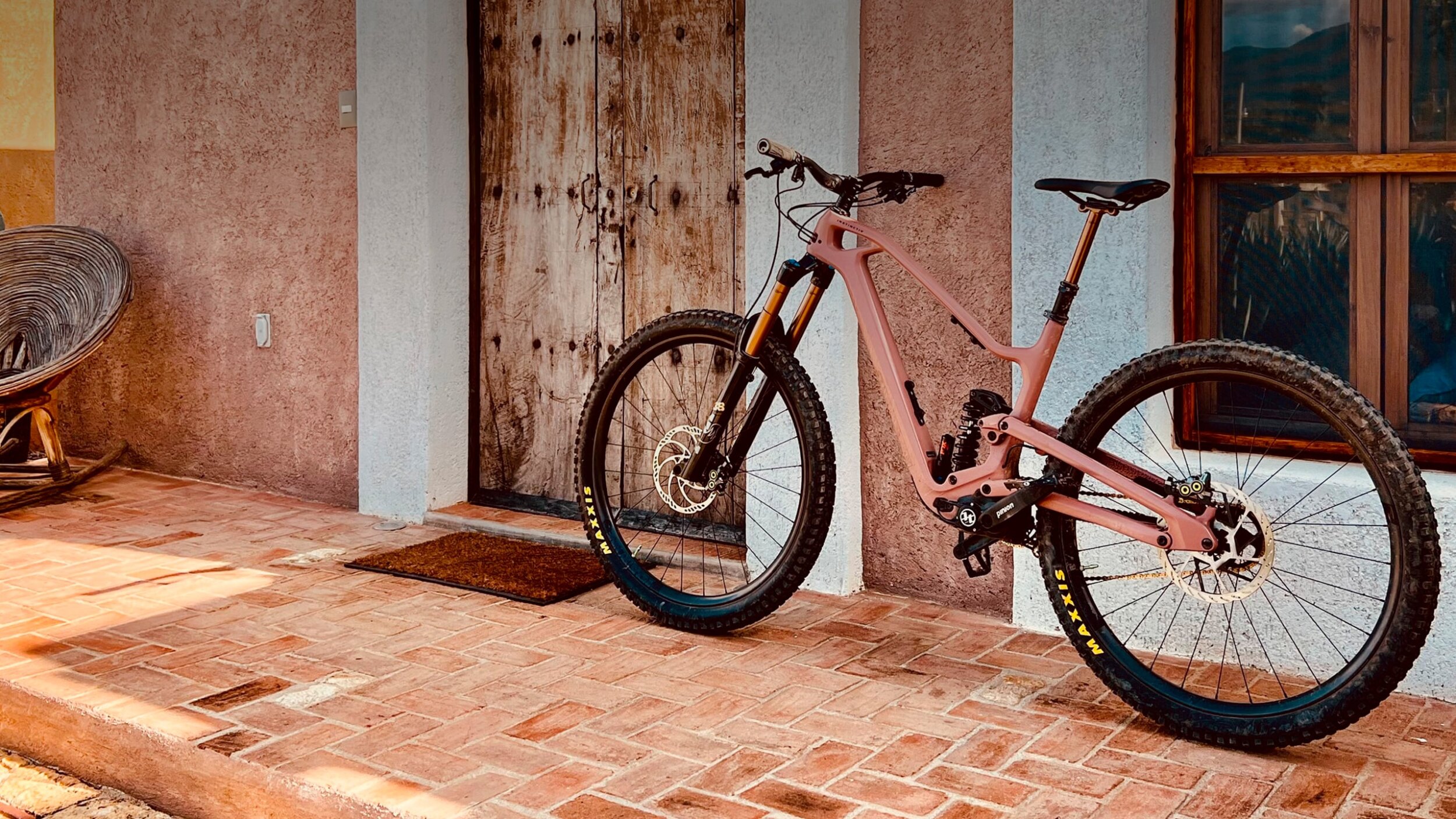
The Pinion C1.12 gearbox is a centrally mounted, sealed transmission with 12 evenly stepped gears contained inside the frame structure rather than hanging off the dropout. Instead of relying on a multi-sprocket cassette and rear derailleur, it places the gearing mass near the bottom bracket area and drives the rear wheel through a single rear cog.
In mountain bike terms, that changes more than durability. It changes weight distribution, rear wheel response, and drivetrain exposure. The system is designed as part of the bike platform, not added at the end of it. That is why gearbox bikes feel distinct when they are engineered properly from the beginning.
For riders used to premium derailleur setups, the first surprise is usually how mechanical and exact the shift action feels. The second is how quiet and controlled the bike can be over repeated rough impacts, especially when paired with a transmission par courroie. The usual cassette rattle and chain slap are simply less dominant in the ride experience.
Why the pinion c1 12 gearbox suits aggressive trail use
The biggest technical advantage is centralization of mass. Moving the transmission inward and lower helps a bike stay calmer through fast compressions and repeated square-edge hits. With less hardware attached to the rear wheel, suspension has less unsprung weight to control. On the trail, that can translate into more traction and a cleaner response when speed rises.
There is also a strong ownership case. The gearbox is sealed against contamination, so mud, grit, and water do far less damage than they do to an exposed cassette and derailleur system. Riders who log heavy mileage through winter, alpine dust, or wet rock quickly understand the appeal. Fewer consumables, fewer vulnerable parts, and less time spent tuning indexing after impacts all add up.
That does not mean zero maintenance or zero compromise. A gearbox bike is still a high-performance machine, and setup still matters. But the maintenance rhythm is different. Instead of constantly managing wear across multiple external drivetrain parts, you are dealing with a more protected and more stable system.
Gear range and shift spacing
A 12-speed gearbox only matters if the ratios are useful, and this is where the C1.12 earns its place. It offers a broad range with relatively even progression between gears, so cadence changes feel predictable rather than awkward. On steep technical climbs, that consistency helps riders stay in rhythm instead of jumping between gears that feel too close or too far apart.
For enduro and aggressive trail use, gear steps matter more than marketing often suggests. If the spacing is uneven, riders spend time adapting to the transmission instead of letting it disappear beneath them. The Pinion layout feels methodical. You notice that on long fireroad transitions, on punchy climbs where timing matters, and on rolling terrain that keeps forcing cadence changes.
Some riders coming from wide-range cassettes will need a short adaptation period. Shifting technique is different, especially under hard torque. A gearbox rewards a brief reduction in pedal load when changing gear. That becomes second nature quickly, but it is not identical to the feel of the latest derailleur systems.
Ride feel on the trail
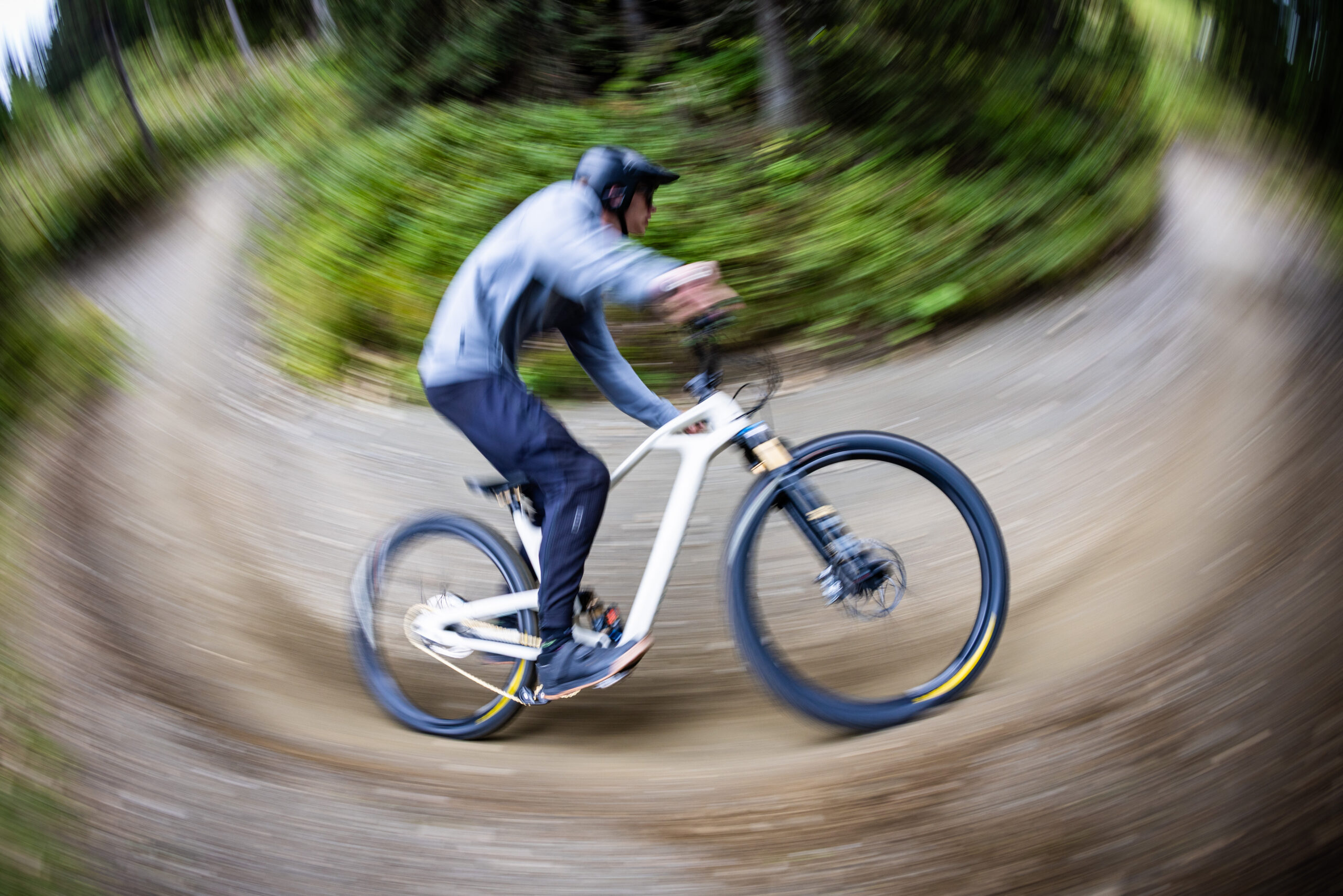
A well-executed gearbox bike does not just feel different in the workstand. It feels different when the trail gets rough and speed starts to matter. The rear wheel tends to feel lighter and freer to track terrain. On repeated chatter or fast broken ground, there is often a calmness that stands out against comparable derailleur bikes.
Part of that comes from mass distribution. Part comes from drivetrain simplicity at the rear axle. And part comes from the fact that there is less exposed hardware to react badly to impacts, contamination, or chain movement. The result is not magic, but it is noticeable.
Climbing is where the system often wins over skeptics. Technical ascents reward traction, control, and dependable gear changes. With a single rear cog and no derailleur hanging low, there is less to strike and less to compromise line choice. Riders who spend time on rocky, awkward climbs tend to appreciate that very quickly.
Descending has its own advantage. The quieter drivetrain changes the character of the bike. Noise matters because it shapes what a rider perceives. When chain slap, cassette chatter, and derailleur movement are reduced, the bike feels more composed. That is not only about comfort. It also makes it easier to read tire feedback and suspension behavior.
Pinion C1.12 gearbox and belt drive
The Pinion C1.12 gearbox is especially compelling when paired with a carbon belt drive. That combination strips away another layer of drivetrain maintenance and noise while keeping power delivery clean and direct. No chain lubrication, no rust, and far less grime build-up is a very real benefit for riders who use their bikes hard and often.
The trade-off is that belt-drive bikes require a frame specifically engineered for the system. Tension, alignment, and frame stiffness all need to be handled correctly. On a purpose-built premium platform, that is a strength, not a limitation, because the bike can be designed around the drivetrain from the start rather than compromised to accept every possible standard.
This is one reason boutique gearbox platforms feel more coherent than converted designs. When the transmission, frame kinematics, and rear triangle are developed as one package, the benefits show up on the trail rather than only in a technical drawing.
Where the compromises are real
A serious rider should expect trade-offs, because every drivetrain architecture has them. The first is weight. A gearbox system can add mass compared with some high-end derailleur builds, although where that mass sits is arguably more important than the total figure alone. Central low weight often rides better than a lighter but less balanced layout.
The second is shift character. A gearbox does not mimic the free-shifting feel of every electronic derailleur under full power. It asks for timing and a brief softening of torque. Riders who value mechanical involvement tend to adapt well. Riders who want every shift to feel identical regardless of pedal input may need more time.
The third is platform availability. The pinion c1 12 gearbox belongs on frames designed around it. You do not buy this transmission as a casual component change. You choose it because you want the broader engineering logic that comes with a gearbox bike.
Price is the final factor. Gearbox bikes sit in the premium segment for a reason. The frame design is more specialized, the integration is more demanding, and the target customer usually values long-term performance over lowest upfront cost.
Who should choose a Pinion C1.12 gearbox bike
This system makes the most sense for riders who prioritize durability, composure, and technical sophistication over familiarity. If you ride year-round, cover serious elevation, or regularly destroy conventional drivetrains in wet and abrasive conditions, the ownership benefits are easy to justify.
It also suits riders who are selective about ride quality. A gearbox is not just a maintenance story. On the right chassis, it is a handling story. The more sensitive you are to traction, suspension response, and overall bike calmness, the more likely you are to appreciate what this layout offers.
For riders looking at premium European-built platforms, the appeal becomes stronger. A bike like the INSTINCTIV Kodiak is not using the gearbox as a novelty. It is using it because the system supports a very specific design goal – low maintenance, balanced handling, and a refined ride character for hard mountain use.
That is the right lens for evaluating the Pinion C1.12 gearbox. Not as a quirky alternative to a derailleur, but as a different answer to the same performance brief. If your riding demands a drivetrain that stays precise deep into bad weather, rough mileage, and repeated impact, it is a system worth taking seriously.