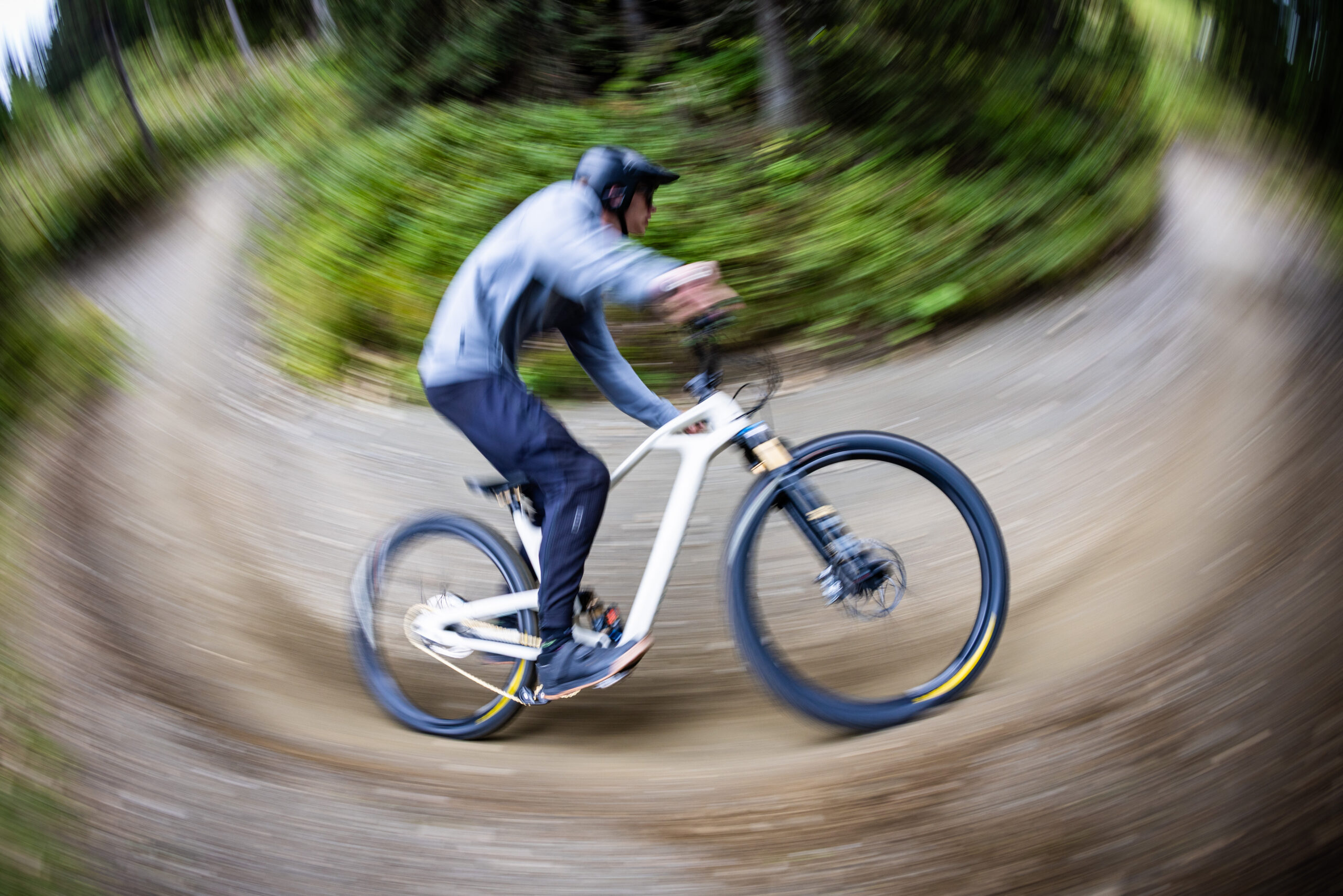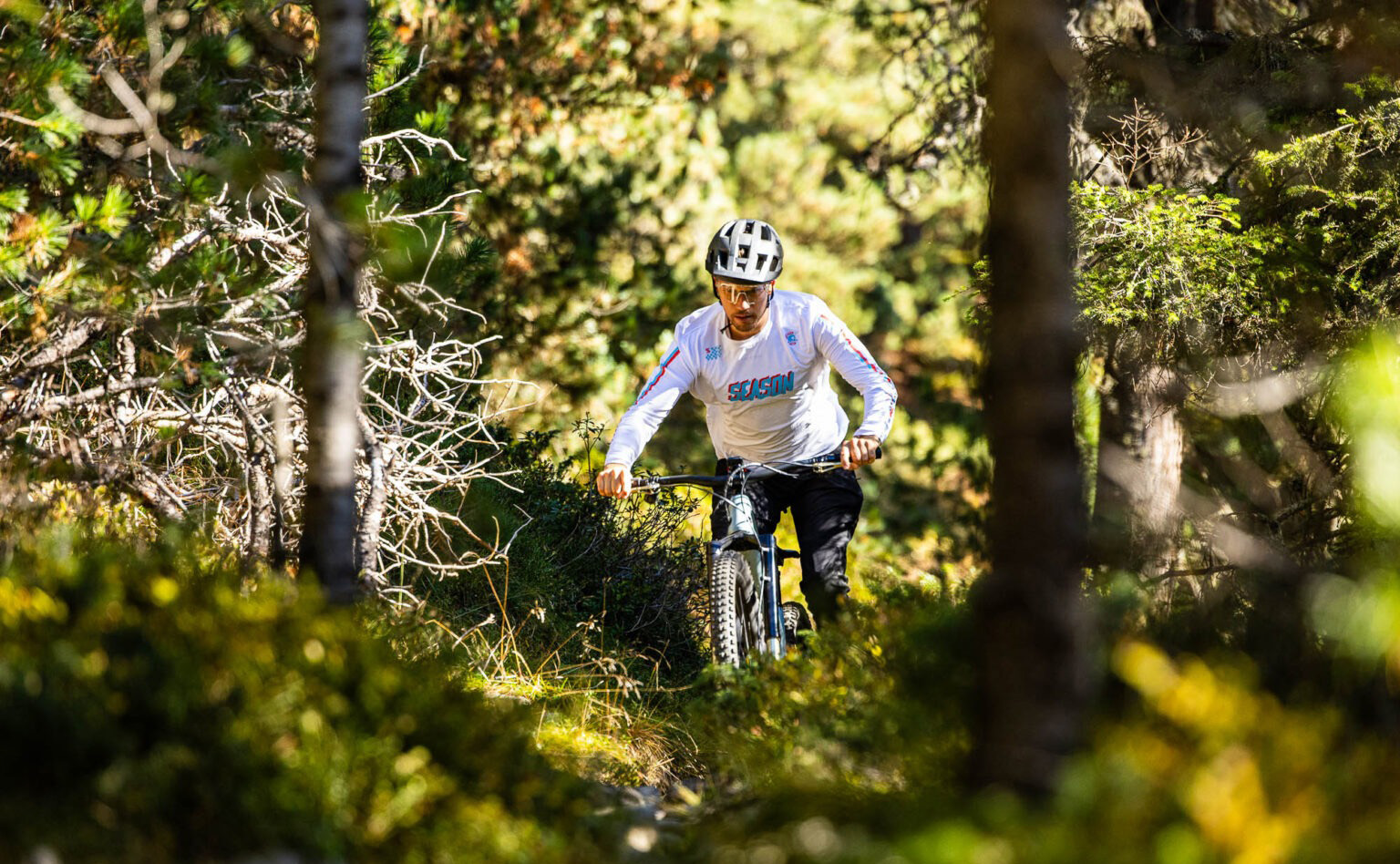
A steep fire road at the end of a four-hour ride is where opinions about motor categories usually get very honest. When fatigue is high, traction is inconsistent, and the next descent is still above you, the real full power eMTB benefits stop being theoretical. They show up in how cleanly the bike holds momentum, how precisely it meters support, and how much riding quality remains after the third or fourth major climb.
For experienced riders, the case for a full-power platform is not simply more assistance. It is more usable performance across a wider range of terrain, pace, rider weight, and ride duration. The best versions do not feel like blunt-force machines. They feel composed, quiet, and deeply capable, with enough reserve to make technical terrain easier to ride well rather than merely easier to survive.
Why full power eMTB benefits go beyond raw torque
It is easy to reduce the conversation to numbers. Higher peak torque and larger batteries are part of the picture, but they are not the whole story. A serious full-power eMTB earns its place because it expands what is possible on demanding terrain without compromising core ride quality.
On steep climbs, stronger support changes line choice. You can stay seated longer for traction, carry speed through loose turns, and recover from small mistakes without stalling. On rolling terrain, it lets you maintain a stronger average pace while riding in a more dynamic way. On long mountain days, it preserves physical capacity for descending, which is often where advanced riders care most about precision and control.
That distinction matters. The real benefit is not that the motor does the work for you. The benefit is that the bike helps you spend your energy where skill matters most.
Climbing performance is the obvious advantage, but not the only one
The first thing most riders notice is how much more effective a full-power bike is on sustained ascents. That is particularly true for heavier riders, riders carrying equipment, or anyone spending time in mountainous terrain where climbing is long rather than short and punchy.
With more support available, cadence becomes easier to manage and awkward sections become more rideable. Technical climbing improves because the system can maintain forward drive with less strain at the pedals. If the chassis is sorted, that support arrives in a controlled way rather than with a surge that breaks traction.
This is where engineering quality separates premium bikes from generic ones. Motor output on its own does not create climbing composure. You also need balanced suspension behavior, stable geometry under load, and careful weight distribution. Otherwise, the extra power can make the bike harder to place and less predictable on difficult terrain.
Better descending starts with fresher legs
One of the most underrated full power eMTB benefits is what happens after the climb. Riders often talk about vertical gained, but the more meaningful metric is how much physical and mental sharpness is left for the descent.
A stronger support system reduces cumulative fatigue over repeated climbs. That means better braking consistency, more stable body position, and better decision-making later in the ride. If you ride technical trails, bike park-style stages, or alpine descents with real consequence, that matters more than shaving a few minutes from the uphill.
There is also a practical performance effect. Fresh riders move more accurately on the bike. They load the front tire more deliberately, stay relaxed in rough terrain, and make cleaner line changes. In that sense, full power does not just help you get up the hill. It can make you a more effective descender deep into the ride.
Range is not only about distance
Range discussions often become simplistic. Riders compare battery sizes and assume the biggest number wins. In reality, range is about flexibility.
A full-power bike typically gives you a bigger operating window. You can ride longer, climb more, or use higher support modes without the same anxiety about battery depletion. That becomes especially relevant for riders in mountainous areas, for mixed-ability groups, or for those who want one bike that can handle short after-work laps and full-day missions.
The trade-off is obvious. Larger energy capacity and stronger drive systems can add weight. But for many experienced riders, that extra mass is justified if it delivers a meaningful increase in usable terrain and repeatable performance. A lightweight bike with limited support may feel appealing on paper, yet it can become the compromised choice when the route gets bigger or the pace gets harder.
The handling question depends on the platform
This is where the conversation gets more nuanced. Full-power eMTBs are often criticized for weight, and that criticism is not baseless. More system mass changes how a bike accelerates, changes direction, and reacts in tight terrain.
But weight in isolation is not the right lens. The better question is how that weight is packaged and controlled. A well-executed full-power platform can feel calm, planted, and exact, especially at speed and in rough ground. In rocky terrain, that composure can be an advantage rather than a liability. The bike tracks with more authority, carries speed through chop, and feels less deflected by repeated impacts.
On the other hand, if your riding is dominated by very tight, slow-speed trails with frequent unweighting and quick line corrections, a lighter assistance bike may feel more playful. This is why blanket statements are rarely useful. The right answer depends on the terrain you actually ride, not the terrain imagined in showroom comparisons.
Full power helps stronger riders stay within their preferred envelope
A point that is often missed in mainstream eMTB discussions is that fit riders can benefit enormously from full-power systems. Not because they need help pedaling basic trails, but because they want to maintain a certain intensity and volume without turning every ride into an energy-management exercise.
A stronger rider on a full-power bike can cover more ground in a given time, repeat more quality descents, and keep a higher overall pace with less compromise. That is valuable if your priority is maximizing technical riding rather than proving your fitness on access roads.
It also helps in mixed groups. Full-power bikes smooth out differences in rider strength, age, and recovery status. A faster or fitter rider can still ride dynamically, but the group can stay more coherent on long climbs and bigger routes.
Full power eMTB benefits for demanding terrain
If your terrain includes long alpine climbs, steep pitches, loose switchbacks, and rough descents, full power starts to make even more sense. This is where support, traction, thermal stability, and chassis quality all come together.
Demanding terrain exposes weak systems quickly. Abrupt power delivery makes technical climbing harder. Underbuilt frames feel vague under load. Poor suspension kinematics can cause wallow on climbs and harshness on descents. The best full-power bikes avoid those traps by treating the motor as one component in a complete performance platform rather than the headline feature.
For riders who spend time on real mountains, that integrated approach is what matters. You want support that is smooth under pressure, a frame that stays precise when speeds rise, and a build that can tolerate repeated hard use without becoming a maintenance project.
Ownership matters as much as the ride
There is another practical advantage to choosing a premium full-power eMTB: durability and service logic. High-end riders tend to keep bikes longer, ride them harder, and notice every developing rattle, shift issue, or drivetrain wear point.
A well-specified full-power platform can reduce those frustrations. Better bearings, stronger wheel systems, cleaner cable routing, and more refined drive integration all affect long-term ownership. If the bike uses premium regional components and is designed around hard riding rather than showroom appeal, the result is usually less compromise over time.
This is one reason serious riders look beyond mass-market spec sheets. Exclusive bikes built with clear engineering intent often deliver a more coherent ownership experience, not just a more interesting purchase. That thinking sits at the core of brands like INSTINCTIV, where ride quality, system integration, and low-compromise construction are treated as essentials rather than extras.
Who should choose full power, and who should not
For riders focused on big elevation, long outings, repeated descents, or technical climbing, a full-power eMTB is often the right tool. It is also a strong choice for heavier riders, riders returning from injury, and riders who want one highly capable platform rather than several niche bikes.
It may be less compelling if your trails are flatter, your rides are shorter, or your priorities center on the lightest possible handling above all else. Some riders simply prefer a subtler assistance feel and are willing to accept lower support and reduced range to get it.
There is no universal winner. There is only the bike that best matches your terrain, your pace, and your expectations.
The strongest reason to choose full power is simple: it expands the ride without diluting it. If you value technical access, repeatability, and real mountain capability, the right full-power eMTB does not replace the experience you already love. It gives you more of it, with fewer compromises when the trail turns steep, rough, and worthwhile.