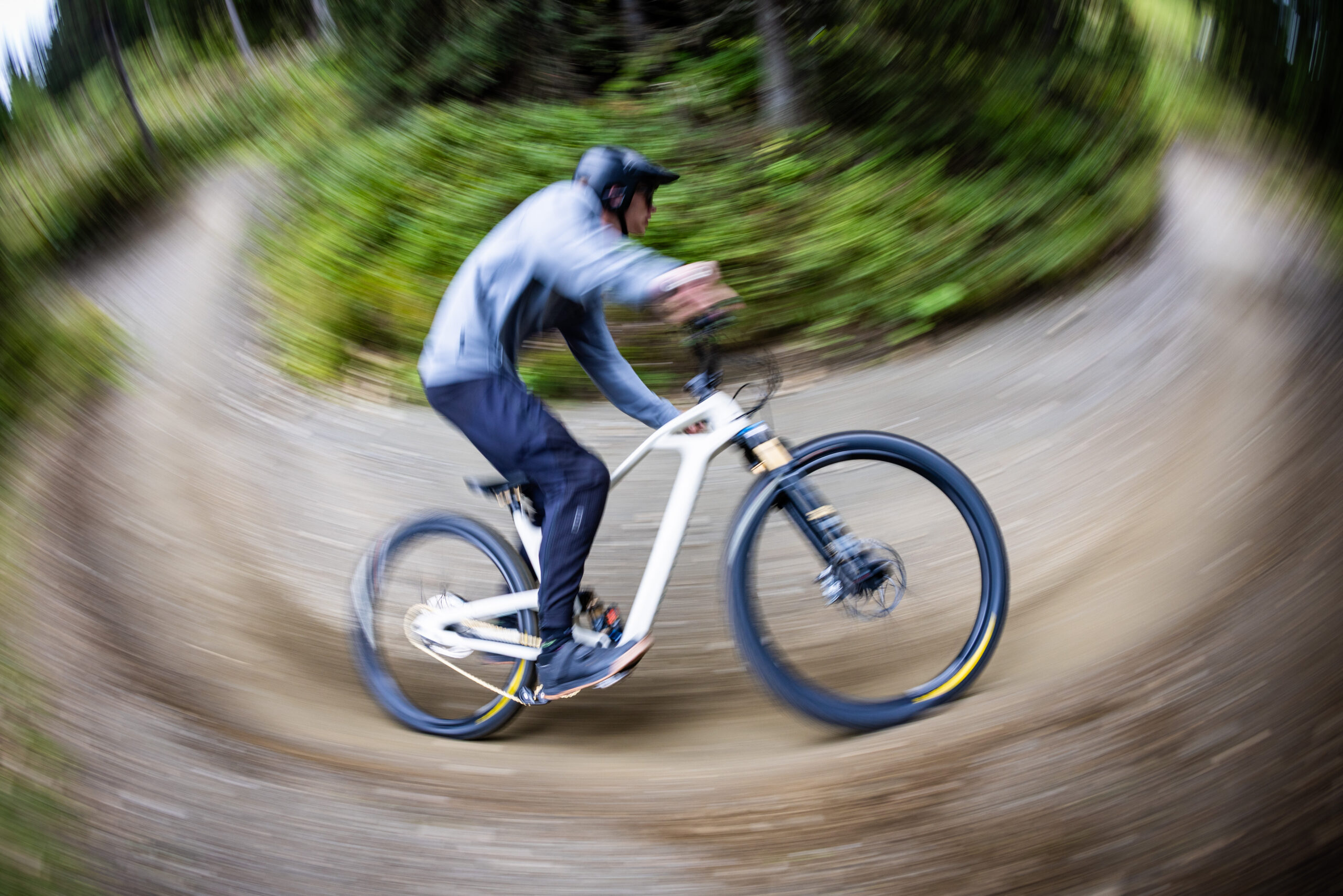
Una mountain bike per terreni accidentati si mette subito alla prova. Il sentiero non si cura delle categorie di marketing, delle schede tecniche ben curate o delle forme di telaio alla moda. Quando il terreno diventa sconnesso, ripido, bagnato e irregolare, la bike o rimane stabile e precisa, oppure inizia a chiedere troppo al ciclista.
Ecco perché chi vuole fare un acquisto serio dovrebbe andare oltre le etichette generiche come “trail-ready” o “all-mountain”. I terreni accidentati sottopongono contemporaneamente a sollecitazioni combinate il telaio, le sospensioni, le ruote, i freni e il drivetrain. Una bike che sembra fantastica su un singletrack liscio può diventare instabile nei rock garden, rigida in frenata o costosa da mantenere in funzione dopo una lunga stagione di uso intensivo.
Cosa serve davvero a un mountain bike per i terreni accidentati
Il primo requisito è la compostezza. Dal punto di vista tecnico, la velocità deriva meno dall’aggressività pura e più dalla capacità della bike di mantenere la traiettoria quando la trazione cambia ogni pochi piedi. Tutto parte dalla geometria del telaio, ma la geometria funziona solo se il resto della piattaforma la supporta.
Una parte anteriore più lunga, un reach bilanciato e un angolo di sterzo più vicino al slacker aiutano in genere il bike a rimanere stabile nelle discese ripide e durante gli impatti ripetuti. Ma c’è un compromesso. Se esageri, la bike può sembrare poco reattiva alle basse velocità o scomoda nelle salite più strette. Per i terreni accidentati, le configurazioni migliori non sono semplicemente la slackest o la più lunga. Sono quelle che mantengono la sicurezza nella parte anteriore senza isolare il ciclista dal percorso.
Anche la lunghezza del fodero orizzontale è importante in questo caso. Una parte posteriore molto corta può rendere una bike vivace, ma su terreni sconnessi e irregolari potrebbe anche ridurre la stabilità in salita e la tenuta della ruota posteriore. Un triangolo posteriore leggermente più lungo spesso garantisce una guida più stabile, soprattutto per i ciclisti più alti o per chiunque affronti discese alpine, dove la costanza conta più dell’agilità nei parcheggi.
Le sospensioni non riguardano solo l'escursione
I dati relativi alla corsa sono facili da confrontare, ed è per questo che ricevono troppa attenzione. Una bike da 170 mm non è automaticamente migliore su terreni accidentati rispetto a una bike da 150 mm. Ciò che conta di più è come la sospensione sfrutta quella corsa, quanto rimane stabile in frenata e quanto efficacemente sostiene il ciclista tra un impatto e l’altro.
Una buona piattaforma per terreni accidentati dovrebbe offrire sensibilità nella parte alta della corsa, sostegno a metà corsa e una progressività sufficiente per gestire le compressioni intense senza esaurire l’escursione. Se la bike affonda troppo facilmente, la geometria cambia nel momento sbagliato e la maneggevolezza diventa imprecisa. Se invece rimane troppo alta e non si muove, chi la guida assorbe più urti del necessario e perde aderenza.
È proprio qui che la cura nella messa a punto fa la differenza. Sag, rimbalzo, compressione, pressione degli pneumatici e bilanciamento cockpit: sono tutti fattori che influenzano il comportamento in sella. I ciclisti esperti sanno che una bike può sembrare completamente diversa con un’attenta messa a punto, soprattutto quando il terreno presenta un mix di dossi spigolosi, radici e zone di frenata in contropendenza. Comprare un telaio di alta gamma e trascurare la messa a punto è un modo costoso per non cogliere il vero senso della cosa.
La qualità delle immagini si nota proprio nei punti più difficili
Su un percorso accidentato come il trails, la qualità del telaio è più facile da percepire che da descrivere. Te ne accorgi quando il bike affronta una serie di urti senza dare mai la sensazione di essere instabile. Te ne accorgi quando le sollecitazioni in curva non fanno torcere la parte anteriore e quella posteriore del bike in direzioni diverse. Te ne accorgi alla fine di una lunga discesa, quando la fatica deriva dal terreno piuttosto che dal dover lottare con il bike.
Questo non dipende solo dalla rigidità in sé. Un telaio troppo rigido può sembrare veloce durante un breve giro di prova, ma risultare faticoso se usato per un'intera giornata su terreni rocciosi e accidentati. Un telaio ben progettato bilancia la precisione torsionale con una flessibilità sufficiente per evitare che ogni urto venga trasmesso direttamente a chi lo guida. La scelta dei materiali è importante, ma lo sono ancora di più la struttura del telaio, la forma dei tubi, la disposizione del pivot e il design complessivo del sistema.
Quando il terreno è impegnativo, la resistenza è parte integrante della qualità di guida. Cuscinetti, punti di fissaggio, protezioni del telaio e il passaggio dei cavi o dei tubi flessibili influiscono tutti sulla durata nel tempo del prodotto. Se un bike inizia a presentare gioco, rumori o richiede frequenti interventi di manutenzione dopo pochi mesi di utilizzo in condizioni di umidità, il suo vantaggio in termini di prestazioni svanisce rapidamente.
La scelta della trasmissione conta più di quanto molti motociclisti ammettano
Un deragliatore tradizionale drivetrain funziona ancora bene e rimane la scelta più familiare per la maggior parte dei ciclisti. In molte configurazioni è più leggero, è facile trovare ricambi e il suo funzionamento è semplice da capire. Ma su terreni davvero accidentati, si trova anche in una posizione vulnerabile, esposto a urti, sporcizia e vibrazioni costanti.
Ecco perché alcuni motociclisti esperti stanno passando a sistemi di trasmissione, soprattutto quando la resistenza e la facilità di manutenzione contano tanto quanto il peso vero e proprio. Concentrare la massa nel telaio può migliorare la sensazione di guida, specialmente quando il percorso si fa movimentato. Aggiungici una trasmissione a cinghia carbon e il cambio elettronico, e l’esperienza di guida cambia in modo significativo: meno componenti drivetrain esposti, meno rumore dovuto al movimento della catena e meno usura di routine anche nelle condizioni più difficili.
Ci sono dei compromessi. I cambi a cassetta non sono la scelta predefinita per tutti i ciclisti, e alcuni continueranno a preferire la familiarità e l’ecosistema di assistenza offerto da un sistema a deragliatore. Ma per una mountain bike da fuoristrada, specialmente se destinata a un uso ripetuto in condizioni di bagnato, su terreni rocciosi o in ambiente alpino, una piattaforma con cambio integrato merita di essere presa seriamente in considerazione, anziché essere vista solo come una curiosità di nicchia.
Sono le ruote, gli pneumatici e i freni a determinare se il bike può esprimere tutto il suo potenziale
Anche un telaio di qualità, se abbinato a ruote e pneumatici sbagliati, non darà il meglio di sé. I terreni accidentati richiedono resistenza agli urti, un supporto affidabile dei fianchi e un disegno del battistrada adatto alla superficie, piuttosto che alle mode del momento. Gli pneumatici leggeri possono sembrare veloci su terreni morbidi come il trails, ma poi possono piegarsi, forarsi o sbandare in modo imprevedibile quando la velocità aumenta e i bordi diventano più taglienti.
Per la maggior parte dei ciclisti, le carcasse più resistenti e le mescole di qualità valgono il peso in più. Lo stesso vale per i cerchi. Non ha molto senso cercare il set di ruote più leggero se questo compromette la precisione o richiede continue centrature dopo giornate intense in sella.
Anche i freni sono fondamentali. I terreni tecnici mettono a dura prova gli impianti sottodimensionati, perché richiedono uno sforzo maggiore sulle leve e riducono il controllo nelle lunghe discese. Le pinze a quattro pistoncini, i dischi di dimensioni adeguate e la gestione del calore non sono solo cliché dell’enduro. Sono requisiti pratici quando la trazione è instabile e si deve frenare ripetutamente su pendenze ripide.
La vestibilità e la posizione del ciclista continuano a determinare il risultato
Anche la piattaforma migliore non può compensare una posizione non corretta. Il terreno accidentato accentua i problemi di posizione perché il ciclista si sposta continuamente tra la posizione seduta in salita, quella in piedi da attacco e i momenti di frenata brusca o compressione.
L'altezza del manubrio, la lunghezza dell'attacco manubrio, la lunghezza delle pedivelle e la posizione della sella dovrebbero favorire l'equilibrio piuttosto che costringerti ad adattarti. Una cockpit troppo bassa può sovraccaricare le mani e rendere più impegnative le discese ripide. Una troppo alta potrebbe ridurre l'aderenza della ruota anteriore nelle curve in piano e nelle salite. Le pedivelle più corte, sempre più comuni sulle bikes aggressive e sulle eMTB, possono anche aiutare a garantire una maggiore altezza libera del pedale nei tratti rocciosi.
È qui che prove su strada diventano davvero utili. I ciclisti esperti di solito riescono a capire, già dopo un breve percorso impegnativo, se una bike risulta ben centrata, se la sospensione torna in posizione in modo fluido e se la parte posteriore tiene bene la traiettoria o tende a saltellare in accelerazione. Le schede tecniche suggeriscono il potenziale. Il terreno lo conferma.
eMTB o bici senza assistenza?
Quando si tratta di terreni accidentati, la scelta tra una MTB acustica e una eMTB non dipende solo dalla forma fisica o dalla potenza del motore. Dipende dall’uso che ne fai. Se le tue uscite prevedono lunghe giornate in montagna, discese ripetute o salite tecniche in cui la trazione e il supporto costante sono fondamentali, una eMTB leggera e potente può essere una scelta davvero allettante.
I migliori sistemi attuali evitano il vecchio compromesso in cui ulteriore assistenza presentava una maneggevolezza rigida e un ingombro eccessivo. Quando l’integrazione del motore, la distribuzione del peso e il design delle sospensioni sono gestiti correttamente, una eMTB può risultare straordinariamente stabile sui terreni accidentati, aumentando al contempo l’autonomia e la ripetibilità delle prestazioni. La chiave sta nel scegliere una piattaforma che, prima di tutto, si guidi come una mountain bike.
Perché l'ingegneria di alto livello si merita un posto qui
I terreni accidentati non perdonano, ed è proprio per questo che un design di alto livello ha senso. È qui che la realizzazione accurata del telaio, i concetti avanzati drivetrain e la qualità costruttiva smettono di essere semplici elementi di lusso astratti e diventano vantaggi pratici. Una piattaforma costruita a mano e pensata per le condizioni di guida europee più impegnative, come quelle sviluppate da INSTINCTIV, riflette una serie di priorità diverse: stabilità in velocità, sistemi che richiedono poca manutenzione e una vera affidabilità a lungo termine, piuttosto che il semplice fascino da showroom.
Questo non vuol dire che tutti i ciclisti abbiano bisogno dello stesso bike. Alcuni vogliono la massima sicurezza in discesa. Altri cercano una soluzione versatile che salga in modo efficiente e rimanga silenziosa anche con il maltempo. Alcuni daranno la priorità alla minore manutenzione richiesta da un cambio e da una trasmissione a cinghia. Altri opteranno per una configurazione più leggera e convenzionale. La risposta giusta dipende da quanto sono davvero impegnativi i tuoi percorsi trails, da quanto spesso li percorri e da quanti compromessi meccanici sei disposto ad accettare.
Un buon mountain bike per terreni accidentati dovrebbe rimanere stabile dove i modelli bikes più deboli tendono a diventare instabili, preciso dove gli altri tendono a sbandare e affidabile quando le condizioni si fanno difficili. Se inizi la tua ricerca da lì, avrai molte più probabilità di trovare un bike che valga la pena tenere per anni, non solo uno che sembra convincente per una stagione.
La scelta più intelligente di solito è quella che continua a funzionare anche quando il percorso smette di essere divertente per i meno esperti bikes.