

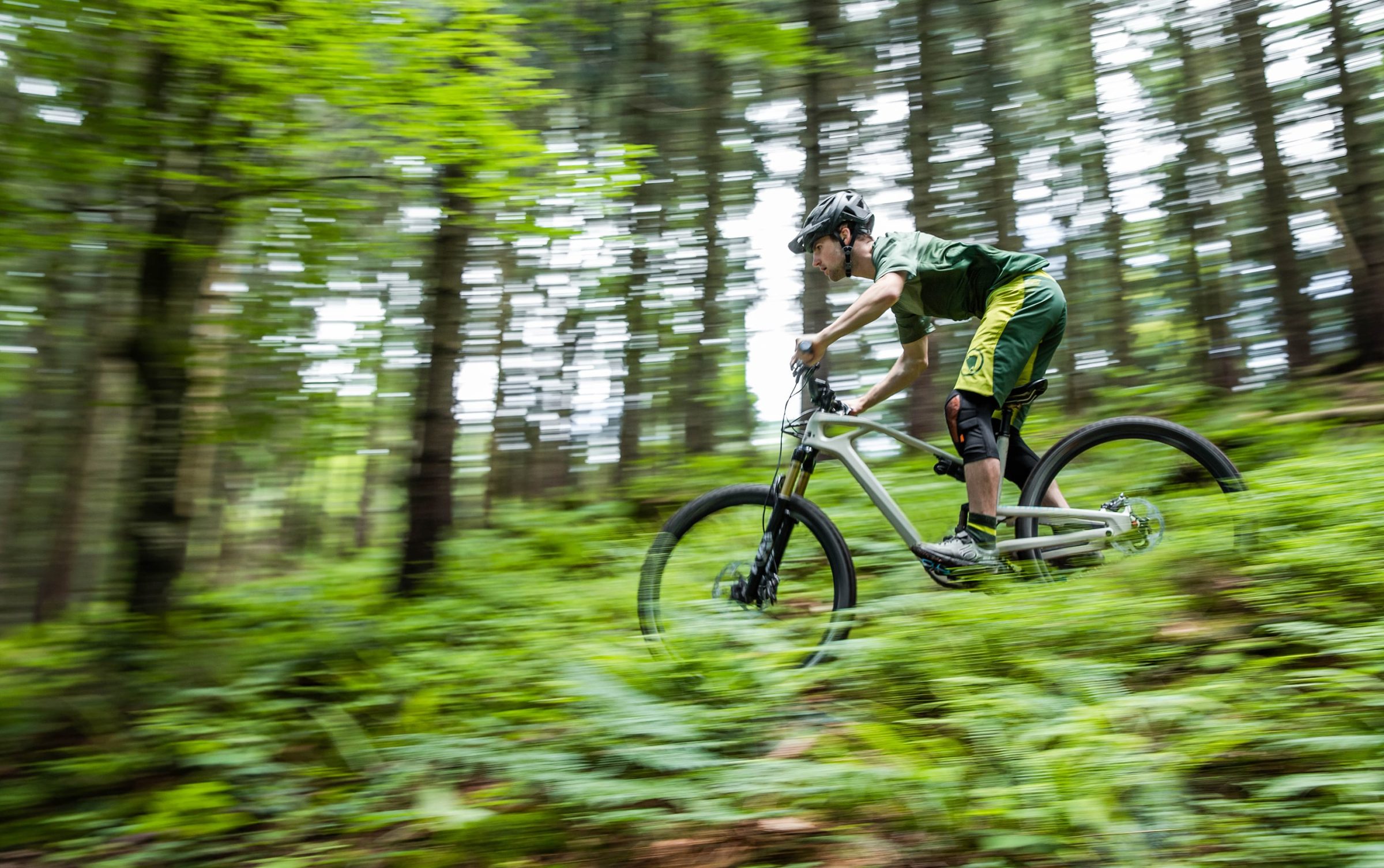
Ein bike kann sich auf lokalen Singletrails brillant anfühlen und trotzdem physisch oder dynamisch auseinanderfallen, sobald der Trail richtig alpin wird. Lange Anstiege, anhaltendes Bremsen, scharfe Felsen, nasse Wurzeln und wiederholte Hochgeschwindigkeitsstöße entlarven schwache Entscheidungen schnell. Wenn du auf der Suche nach dem besten bike für alpine trails bist, ist die eigentliche Frage nicht, welche Kategorie auf dem Papier richtig klingt. Es geht darum, welche Plattform gelassen, effizient und zuverlässig bleibt, wenn das Gelände dir keine einfachen Antworten gibt.
Was ist das beste bike für Alpine trails?
Alpines Fahren ist geprägt von Weite und Konsequenz. Du kannst eine Stunde lang auf losen Zufahrtsstraßen klettern, einen Singletrail abseits der Kurven durchqueren und dann in eine Abfahrt eintauchen, die kantige Schläge, Kompressionen und lose Switchbacks mit sehr wenig Erholung dazwischen kombiniert. Das erfordert mehr als eine trendige Geometriekarte oder einen leichten Rahmen.
Das beste bike für alpine trails braucht ein stabiles Fahrwerk bei Geschwindigkeit, genug Federweg, um die Kontrolle zu behalten, wenn der Trail heftig wird, und Klettereigenschaften, die dich nicht bestrafen, bevor die Abfahrt überhaupt beginnt. Außerdem muss das bike auch in den Bereichen langlebig sein, die sonst eher stiefmütterlich behandelt werden: Verschmutzung des drivetrain, Wärmemanagement der Bremsen, Lagerbelastung, Festigkeit der Räder und Steifigkeit des Rahmens bei wiederholten Stößen.
Hier vereinfachen viele Kaufanleitungen die Entscheidung zu sehr. Sie behandeln das alpine Fahren so, als bräuchte jeder Fahrer ein komplettes Enduro-Race bike. Das kann stimmen, aber nicht immer. Eine leichtere, reaktionsfreudigere Plattform kann die bessere Wahl sein, wenn du lange Tage mit eigener Kraft fährst und weniger im bike-Parkstil abfährst. Auf der anderen Seite, wenn dein typisches Gelände steile, raue Falllinien trails und wiederholten großen Höhenverlust beinhaltet, ist Underbiking selten lange charmant.
Federweg, Geometrie und Gewicht - die Kompromisse sind real
Für die meisten ernsthaften alpinen Einsätze beginnt der Sweet Spot im modernen Trail-to-Enduro-Bereich. In der Praxis bedeutet das, dass der Federweg am Hinterrad ausreicht, um die Traktion zu erhalten und das bike bei wiederholten Stößen zu beruhigen, gepaart mit einer Gabel, die nicht einklappt, wenn der Trail steiler wird und die Geschwindigkeit steigt.
Ein bike mit kürzerem Federweg kann in den Alpen immer noch gut funktionieren, wenn der Rahmen außergewöhnlich kompakt ist und die Federung gut abgestimmt ist. Aber wenn das Gelände rauer und die Abfahrten länger werden, geht es bei mehr Federweg nicht mehr um Komfort, sondern um eine bessere Linienwahl und weniger Ermüdung. Der Fahrer, der auf halber Strecke am wenigsten angeschlagen ist, ist in der Regel derjenige, der noch präzise Entscheidungen trifft.
Die Geometrie ist ebenso wichtig. Eine slack Front bringt Vertrauen in steile Abfahrten, aber wenn sie ohne die richtige Gewichtsverteilung zu weit geht, kann das bike in flacheren Kurven schwammig und bei technischen Anstiegen schwerfällig werden. Ein steiler effektiver Sitzwinkel hilft, den Fahrer beim Klettern zu zentrieren, vor allem auf langen Steigungen, wo das Wandern des Vorderrads zu einer ständigen Belastung wird. Reichweite, chainstay-Länge und stack müssen als System funktionieren. Im alpinen Gelände ist Ausgewogenheit gefragt, keine Extreme.
Das Gewicht verdient eine Nuance. Ein sehr leichtes bike fühlt sich exzellent an, bis der Trail so rau wird, dass das Fahrwerk die Ruhe verliert oder die Räder zu schmerzen beginnen. Ein sehr schweres bike kann das Gelände abflachen, verlangt dem Fahrer aber bei jedem ungeförderten Anstieg und jedem Low-Speed-Manöver mehr ab. Die richtige Antwort ist in der Regel nicht die leichtestmögliche Konstruktion. Es ist die leichteste Konstruktion, die trotzdem Stabilität, Bremsunterstützung und strukturelles Vertrauen bietet.
Leistungsstarkes eMTB oder akustisches MTB?
Dies ist oft die erste richtige Weggabelung. Beim alpinen Fahren geht es bei einem eMTB mit voller Leistung nicht nur darum, dass die Anstiege einfacher werden. Es verändert, wie viel Höhenmeter du zurücklegen kannst, wie frisch du für technische Abfahrten bleibst und wie oft du die härtere Linie wählst, anstatt Energie für den Rückweg zu sparen.
Wenn du wiederholt lange Anstiege, große Höhenmeter oder mixed-Gruppen fährst, bei denen es auf Tempo und Reichweite ankommt, ist ein gut ausgeführter eMTB mit voller Leistung kann das fähigste Werkzeug in den Bergen sein. Die besten Exemplare sind leise, sanft unter Last und stabil genug, um sich wie ein ernsthaftes bikes zu fühlen und nicht wie ein unterstützter Kompromiss. Die Integration des Motors, die Platzierung des Akkus und die Kinematik der Aufhängung sind hier entscheidend. Ein leistungsstarkes bike, das unnatürlich in die Pedale tritt oder sich in unwegsamem Gelände unruhig anfühlt, ist immer noch ein schlechtes alpines bike.
Ein MTB ohne Unterstützung bleibt die richtige Wahl für Fahrer, die ein direktes Fahrgefühl, ein geringeres Gesamtgewicht des Systems und mechanische Einfachheit im Sinne der Handhabung schätzen, auch wenn das drivetrain selbst nicht immer einfacher ist. Für erfahrene Fahrerinnen und Fahrer mit einer guten Kondition und einer Vorliebe für Präzision statt Geschwindigkeit auf dem Weg nach oben bietet eine akustische Plattform immer noch ein einzigartiges Fahrgefühl. Aber sie muss effizient klettern und souverän absteigen. In den Alpen kann ein bike, das nur spielerisch ist, schnell ermüdend werden.
Zuverlässigkeit des Antriebsstrangs zählt in den Bergen mehr
Eine der am wenigsten glamourösen Wahrheiten beim alpinen Fahren ist, dass die Leistung eines drivetrain oft darüber entscheidet, ob sich ein bike nach einer ganzen Saison noch hochwertig anfühlt. Schlamm, Staub, lange Abfahrten, Kettenschlag und unangenehme Reparaturen am Wegesrand können die Grenzen konventioneller Systeme aufzeigen.
Aus diesem Grund verdienen wartungsarme Systeme bei der Wahl eines High-End-Alpine bike besondere Aufmerksamkeit. A getriebebasierte Plattform mit einem Riemenantrieb hat klare Vorteile für Fahrer, die Konsistenz, geringeren Verschleiß und einen leiseren Betrieb dem vertrauten Gefühl einer Kettenschaltung bike vorziehen. Die Zentralisierung der drivetrain-Masse kann auch das Federungsverhalten und die bike-Balance in unwegsamem Gelände verbessern. Diese Vorteile sind bei langen Bergabfahrten nicht nur theoretischer Natur - sie machen sich auch bei der Traktion, der Geräuschentwicklung und der Ermüdung bemerkbar.
Es gibt Abstriche. Das bikes-Getriebe kann sich unter Last anders anfühlen und manche Fahrer/innen brauchen Zeit, um sich an das Schaltverhalten im Vergleich zu einer Kettenschaltung zu gewöhnen. Auch die Gewichtsverteilung ändert sich, wenn auch oft auf nützliche Weise. Für Fahrerinnen und Fahrer, die wirklich viel Zeit in anspruchsvollem Berggelände verbringen, können der geringere Wartungsaufwand und der Schutz des drivetrain die Lernkurve entscheidend aufwiegen.
Qualität der Federung schlägt Quantität der Federung
Ein bike, das mit großzügigen Federwegen vermarktet wird, kann in den Alpen trotzdem schlecht fahren, wenn es der Federung an Unterstützung oder Gelassenheit fehlt. Eine gute Alpenfederung muss zwei Dinge gleichzeitig tun: Sie muss sensibel genug sein, um auf unebenem Gelände Traktion zu bieten, und sie muss sich nicht aufschaukeln oder abtauchen, wenn der Trail Geschwindigkeitsänderungen, Bremskontrolle und eine veränderte Körperposition erfordert.
Deshalb sind die Kinematik des Rahmens und die Qualität der Dämpfung wichtiger als der reine Federweg. Die Unterstützung beim Treten auf langen Anstiegen, die Stabilität in der Mitte des Weges in ruppigen Kurven und die ruhige Erholung nach wiederholten Schlägen tragen alle mehr zu einer echten Bergleistung bei als eine Schlagzeile. Die besten alpinen bikes fühlen sich ruhig an, nicht weich. Sie spüren den Boden, ohne sich tot anzufühlen.
Mit einem ausgefeilten Setup kannst du das bike auch für das Gelände nutzen, in dem du tatsächlich unterwegs bist. Wenn deine Tage in den Bergen sehr abwechslungsreich sind, bietet dir eine vielseitige Federungsplattform mehr nutzbare Leistung als eine übermäßig spezialisierte. Ernsthafte Fahrerinnen und Fahrer wissen das bereits: Das beste bike ist oft dasjenige, das über eine größere Bandbreite von Geschwindigkeiten, Steigungen und Oberflächenbedingungen hinweg berechenbar bleibt.
Räder, Bremsen und Rahmenkonstruktion sind keine zweitrangigen Entscheidungen
Beim Alpine trails sind die Festigkeit der Laufräder und die Konsistenz der Bremsen die wichtigsten Leistungsmerkmale. Leichte Laufräder mit geringer Stoßfestigkeit können sich schnell anfühlen, bis ein scharfer Felsabschnitt die Diskussion beendet. Ebenso können Bremsen, die bei kurzen Abfahrten gut funktionieren, bei längeren Bergabfahrten überhitzen oder an Konsistenz verlieren.
Achte auf eine Konstruktion, die dieser Realität Rechnung trägt. Starke Felgen, geeignete Reifenkarkassen und leistungsstarke Bremsen mit stabilem Wärmemanagement gehören an jedes bike, das für den echten alpinen Einsatz gedacht ist. Eine kleine Gewichtseinsparung in diesen Bereichen kostet oft mehr Vertrauen, als es an Geschwindigkeit zurückgibt.
Die Rahmenkonstruktion verdient die gleiche Aufmerksamkeit. Ein erstklassiges alpines bike sollte nicht einfach überall steif sein. Es sollte dort steif sein, wo es auf Präzision ankommt, und nachgiebig genug, wo Kontrolle und Traktion davon profitieren. Fertigungsqualität, Lagerausrichtung, Rahmenschutz und die Integrität des Hardwarepakets sind umso wichtiger, wenn das bike wiederholt langen Abfahrten und rauen Umweltbedingungen ausgesetzt ist.
Dies ist der Ort, an dem Boutique-Engineering hat einen legitimen Vorteil. Eine handgefertigte, designorientierte Plattform, die auf der Grundlage des tatsächlichen Einsatzes in den Bergen entwickelt wurde, kann ein kohärenteres Fahrverhalten bieten als ein bikes für den Massenmarkt, das den Trends der Kategorie hinterherläuft. INSTINCTIV ist genau in diesem Bereich angesiedelt, mit Plattformen, die von alpinem Gelände geprägt sind und nicht von Showroom-Segmenten.
Was solltest du also wirklich kaufen?
Wenn du in den Bergen schnell, steil und wiederholt über große Höhenunterschiede fährst, solltest du mit einer modernen Enduro-Plattform oder einem eMTB mit voller Leistung beginnen, das wie ein Enduro abfährt. Wenn deine Tage länger, mixed und selbstfahrend sind, ist ein hochleistungsfähiges Trail bike mit hervorragender Federungsunterstützung und disziplinierter Geometrie vielleicht die bessere Lösung.
Wenn Wartungsmüdigkeit Teil des Problems ist, das du zu lösen versuchst, solltest du das drivetrain nicht als Zubehör behandeln. Für viele erfahrene Fahrerinnen und Fahrer, vor allem für diejenigen, die häufig unter harten Bedingungen fahren, ist ein Getriebe und ein Riemensystem keine Neuheit. Es ist eine kluge Entscheidung für den langfristigen Besitz.
Und wenn du am oberen Ende des Marktes kaufst, solltest du mehr als nur die Einhaltung der Kategorie erwarten. Der beste bike für alpine trails sollte sich bei der Geschwindigkeit ruhig anfühlen, beim Klettern effizient sein, unter Last leise und auch nach monatelanger Beanspruchung noch vertrauenswürdig. Diese Kombination ist seltener, als sie sein sollte.
Kaufe das bike, das zu deinem Terrain passt, und zwar ehrlich, nicht aufgesetzt. Die Alpen belohnen Präzision, Langlebigkeit und ruhiges Fahrverhalten viel mehr als Marketingsprache - und sie entlarven Kompromisse mit bemerkenswerter Effizienz.