

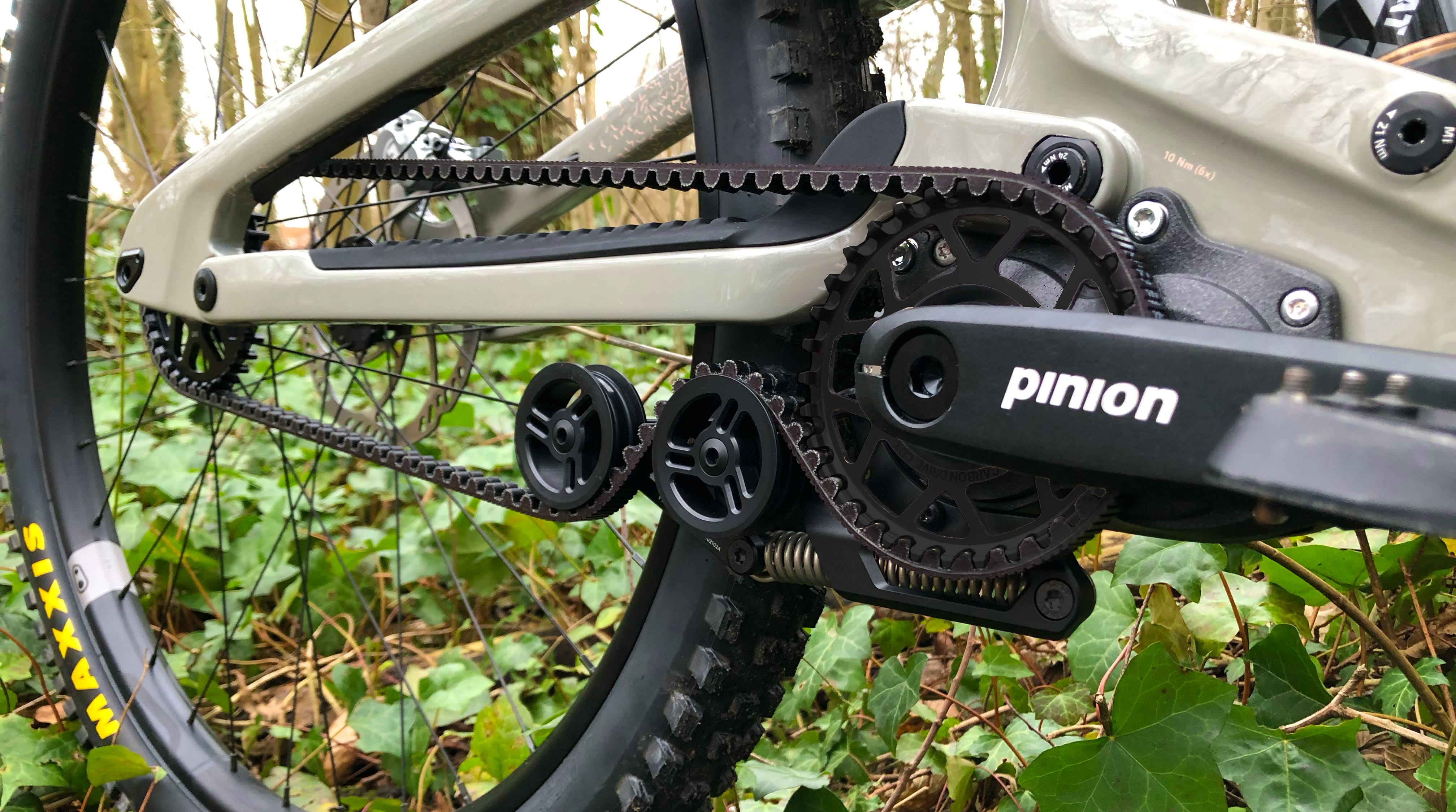
Schlamm in den Laufrädern, eine Kette, die gegen die Strebe schlägt, drivetrain-Kies, der nach einer nassen Fahrt weggeschliffen wird - das ist genau der Punkt, an dem ein mountain bike mit Riemenantrieb Sinn macht. Nicht als Neuheit und nicht als Stadt-bike-Idee, die auf den Trail gezwungen wird, sondern als ernsthafte Lösung für Fahrer, die Wert auf leisen Betrieb, geringe Wartung und langfristige mechanische Beständigkeit legen.
Für den richtigen Fahrer ist der Reiz sofort da. Ein carbon-Riemen rostet nicht, muss nicht geschmiert werden und läuft mit einer Leichtgängigkeit, die eine herkömmliche drivetrain-Kettenschaltung nur selten beibehält, sobald echtes Wetter und echte Kilometerleistung ins Spiel kommen. Aber Mountainbiken ist hart für die Ausrüstung und die Frage ist nicht, ob ein Riemensystem clever ist. Die Frage ist, ob es auf anspruchsvollem Terrain wirklich besser ist.
Was ein mountain bike mit Riemenantrieb eigentlich ist
Der Riemenantrieb mountain bike ersetzt die traditionelle Metallkette durch einen verstärkten Zahnriemen carbon. Da ein Riemen nicht wie eine Kette geteilt und wieder zusammengefügt werden kann, muss der Rahmen mit einem Riemenanschluss oder einer Öffnung im hinteren Dreieck konstruiert werden. Das allein macht den Riemenantrieb zu einer zweckgebundenen Plattform, nicht zu einer zufälligen Nachrüstung.
Der zweite wesentliche Unterschied ist, dass Gurtsysteme in der Regel entweder mit einem Innengetriebe oder eine Nabenschaltung anstelle einer Kettenschaltung. Bei einem ernsthaft geländegängigen bike ist die Gangschaltung die überzeugendere Lösung. Das Getriebe ist vor Schlamm und Stößen geschützt, die Masse wird zentralisiert und die exponierten drivetrain-Komponenten werden aus der Schusslinie genommen. Deshalb entfaltet ein Riemenantrieb mountain bike nur dann sein volles Potenzial, wenn die gesamte Plattform um das System herum konstruiert und nicht daran angepasst wird.
Warum Fahrer den Riemenantrieb im Gelände bevorzugen
Der offensichtliche Anreiz ist die Wartung. Wenn du häufig durch nasse Winter, staubige Sommer oder kiesiges, alpines Gelände fährst, gehört der Kettenverschleiß zu deinem Alltag. Die Ketten dehnen sich, die Kassetten verschleißen, die Kettenblätter haken und die Schaltqualität verschlechtert sich in kleinen Schritten, bis die drivetrain müde wird, lange bevor der Rest der bike es tut.
Ein Gürtel ändert diese Gleichung. Es gibt kein Entfettungsritual, keine Schmiermittelauswahl und keine schwarzen Rückstände an deinen Händen oder deinem Rahmen. Du wäschst den bike, überprüfst die Riemenspannung und fährst weiter. Für Fahrer, die regelmäßig Kilometer machen, ist das kein geringer Komfort. Es ist eine ganz andere Erfahrung für den Besitzer.
Ein weiterer Grund ist der Lärm. Ein gut ausgeführtes Riemen- und Getriebesetup ist unter Last bemerkenswert leise. Bei technischen Anstiegen und rauen Traversen ist das wichtiger, als viele Fahrer/innen erwarten. Weniger Rattergeräusche beim drivetrain bedeuten, dass du mehr Feedback vom Trail, Reifenkontakt und Federungsbewegungen hörst. Das bike fühlt sich ruhiger an, weil es mechanisch so ist.
Es gibt auch eine Haltbarkeit. Ein Riemen ist nicht immun gegen Schäden, aber im richtigen System kann er mehrere Ketten überdauern. In Verbindung mit einem Getriebe entsteht ein drivetrain mit sehr wenigen Verschleißpunkten, die Verunreinigungen ausgesetzt sind. Für Fahrerinnen und Fahrer, die Wert auf Beständigkeit über mehrere Jahre und nicht nur Wochen legen, ist das ein starkes Argument.
Die echten Leistungsvorteile
Ein guter Riemenantrieb mountain bike verkürzt nicht nur die Wartungsintervalle. Er kann auch das Fahrverhalten des bike verbessern.
Der größte Vorteil ist die Abkehr von der Kettenschaltung. Sobald die hintere Schaltung verschwindet, entfernst du eine anfällige Komponente, die in der Nähe von Felsen, Wurzeln und Geröll hängt. Das allein ist schon gut für aggressives Fahren. Ein Schaltgetriebe konzentriert das Gewicht in der Mitte des bike, anstatt die Masse der Kassette auf das Hinterrad zu verlagern. Die Auswirkungen auf das Fahrverhalten sind subtil, aber spürbar. Die Hinterradfederung kann mit weniger ungefederten Massen freier reagieren und das bike fühlt sich bei wiederholten Stößen oft ruhiger an.
Auch die Qualität der Schaltvorgänge ändert sich. Bei einem Schaltgetriebe werden die Schaltvorgänge intern indexiert und bleiben gleichmäßig, da der Mechanismus versiegelt ist. Es gibt keine Kabelverschmutzung am Umwerfer, kein verbogenes Schaltauge und kein allmähliches Nachlassen der Schaltleistung nach einer harten Fahrt oder einem Reisetag. Bei langfristigem Besitz ist diese Beständigkeit kaum zu überschätzen.
Und dann ist da noch das Kettenwachstum, oder besser gesagt das Fehlen eines konventionellen Kettenverhaltens. Ein Getriebe und ein riemengetriebener Rahmen können mit einer Kinematik konstruiert werden, die weniger durch die Anforderungen der Kettenschaltung eingeschränkt ist. Für Designer, die sich auf die Federungsleistung konzentrieren, schafft das nützliche Freiheiten.
Wo die Zielkonflikte beginnen
Das ist keine universelle Antwort für jeden Fahrer. Ein mountain bike mit Riemenantrieb hat klare Kompromisse, und so zu tun, als ob das nicht der Fall wäre, geht am Thema vorbei.
Erstens ist das System in der Entwurfsphase sehr komplex. Der Riemen selbst ist einfach, aber das bike um ihn herum ist es nicht. Die Ausrichtung des Rahmens, das Management der Riemenspannung, die Integration des Getriebes, das Design der Ausfallenden und die Kinematik der Aufhängung müssen alle präzise zusammenarbeiten. Eine schlechte Umsetzung wird sich nie so raffiniert anfühlen wie eine gut sortierte bike-Kette.
Zweitens sind die Anschaffungskosten höher. Plattformen mit Riemen und Getriebe sind in der Premium-Kategorie angesiedelt, da sie spezielle Rahmen und hochentwickelte Komponenten erfordern. Wenn es dir vor allem darum geht, den meisten Federweg oder die leichteste Komplettlösung für ein möglichst geringes Budget zu bekommen, ist dies nicht der richtige Weg.
Auch das Gewicht ist Teil des Gesprächs. Schaltgetriebe sind in der Regel schwerer als eine Standard-Kettenschaltung drivetrain. Ob das eine Rolle spielt, hängt von der Kategorie der bike und dem Fahrstil ab. Auf einer aggressiven Trail- oder Enduro-Plattform werden viele erfahrene Fahrer den Gewichtsnachteil im Tausch gegen Haltbarkeit, zentrale Masse und geringen Wartungsaufwand akzeptieren. Bei einem reinen XC-Race bike kann die Rechnung anders aussehen.
Es gibt auch ein Fahrgefühl unter Drehmoment. Die Riemensysteme müssen richtig gespannt sein, und diese Spannung beeinflusst, wie direkt sich das drivetrain anfühlt. Ein ausgeklügeltes System kann sich besonders geschmeidig anfühlen, aber es kommt auf die Präzision der Einstellung an. Dies ist kein System, das sich für lässige Technik lohnt.
Wer sollte einen Riemenantrieb mountain bike ernsthaft in Betracht ziehen?
Wenn du das ganze Jahr über fährst, die Wartung des drivetrain hasst und den bikes langfristig behältst, ist das ein gutes Argument. Das Gleiche gilt, wenn du unter ständig nassen, kiesigen oder bergigen Bedingungen fährst, wo herkömmliche drivetrains schnell verschleißen und ständig gewartet werden müssen.
Es ist auch sinnvoll für Fahrer, die Wert auf mechanische Ordnung legen. Ein bike mit Riemen und Getriebe wirkt durchdacht. Es gibt weniger optische Unordnung, weniger sichtbare Verschleißteile und ein klareres Verhältnis zwischen Rahmendesign und drivetrain-Funktion. Für Fahrerinnen und Fahrer, die technische Integrität genauso schätzen wie Federweg oder Geometrie, ist das wichtig.
Ein mountain bike mit Riemenantrieb ist auch für Premium-Käufer interessant, die bereits über das Einstiegsniveau hinaus sind. Wenn du zwischen drivetrain-Konzepten entscheidest und nicht nur nach dem Preis einkaufst, bist du in dieser Diskussion richtig.
Wenn eine Kette immer noch mehr Sinn macht
Eine herkömmliche drivetrain bleibt für viele Fahrer die praktische Wahl. Wenn du Wert auf niedrige Anschaffungskosten, eine breite Ersatzteilverfügbarkeit und eine einfache Wartung in fast jeder Werkstatt legst, sind Kettenschaltungen immer noch die beste Wahl. Sie sind vertraut, in vielen Fällen leichter und bieten eine große Auswahl an Komponenten.
Rennfahrer, die häufig die Schaltung wechseln, Fahrer, die ohne Planung unterwegs sind, oder alle, die einen möglichst einfachen Service vor Ort wünschen, bevorzugen vielleicht immer noch eine Kette. Riemensysteme sind zuverlässig, aber sie sind weniger universell. Je besser das bike ist, desto zweckmäßiger ist die Lösung in der Regel.
Das ist wirklich die Trennlinie. Ein mountain bike mit Riemenantrieb ist selten eine Option für den Massenmarkt. Es ist die überlegte Option.
Warum die Ausführung mehr zählt als der Gürtel selbst
Der wichtigste Punkt ist folgender: Der Gurt ist nur ein Teil der Plattform. Die besten Ergebnisse erzielt ein bike, das auf das gesamte drivetrain-Konzept abgestimmt ist - Getriebe, Rahmen, Aufhängung, Gurtlinie, Spannsystem und das vorgesehene Terrain.
Hier hat die Boutique-Technik einen echten Vorteil. Eine speziell angefertigte Schaltgetriebe MTB mit dem carbon Riemenantrieb, der für anspruchsvolle alpine Fahrten entwickelt und kompromisslos um das System herum gebaut wurde, bietet etwas, was ein nachgerüstetes Konzept bike nicht kann. Er fährt leiser, hält länger und fühlt sich kohärenter an, weil der drivetrain vom ersten Tag an Teil der Architektur war. Das ist genau der Grund, warum Marken wie INSTINCTIV die Kategorie als komplette Leistungsplattform und nicht als Zusatzfunktion betrachten.
Für erfahrene Fahrerinnen und Fahrer ist diese Unterscheidung alles. Die Frage ist nicht, ob die Gurte in der Theorie gut sind. Es geht darum, ob der bike gut genug entwickelt wurde, damit der drivetrain seine Stärken auf dem echten Trail zeigen kann.
Wenn dein Fahrstil Zuverlässigkeit, Gelassenheit und weniger Werkstattaufenthalte zwischen den Fahrten erfordert, ist ein mountain bike mit Riemenantrieb mehr als einen Blick wert. Die besten Modelle reduzieren nicht nur den Wartungsaufwand. Sie verändern den Charakter des Besitzes auf eine Art und Weise, die man nur schwer wieder aufgeben möchte, wenn man einmal damit gelebt hat.