

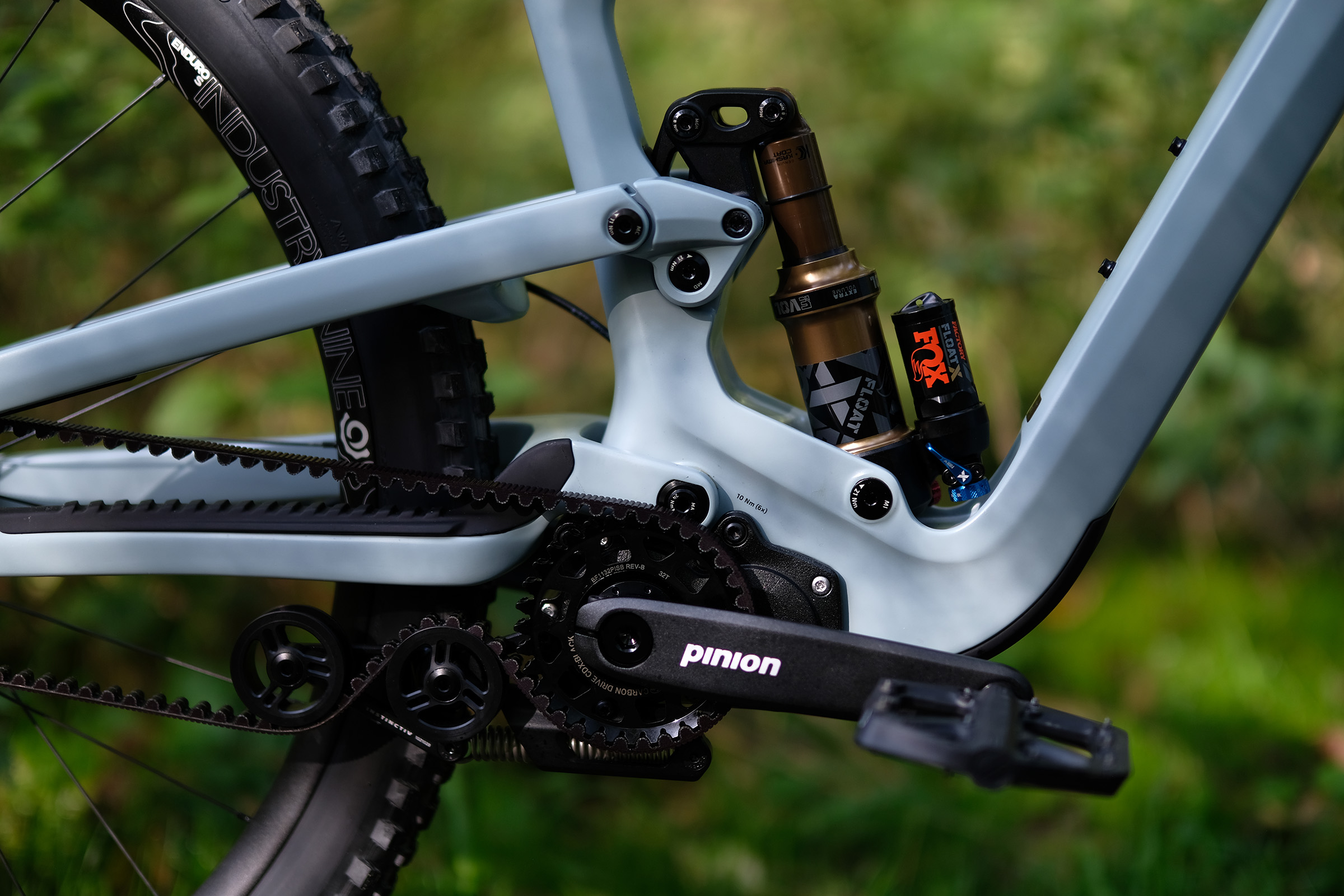
Ein verschlammter Umwerfer am Ende einer langen Abfahrt hat viele Fahrer dazu gebracht, ihre Fahrweise zu überdenken. was ein drivetrain sein sollte. Hier beginnt das pinion-Getriebe mountain bike wirklich Sinn zu machen - nicht als Neuheit, sondern als ernsthafte Antwort auf Haltbarkeit, Konsistenz und Fahrqualität für Fahrer, die harte Kilometer in technischem Gelände zurücklegen.
Für erfahrene mountain bikeler ist der Reiz nicht schwer zu verstehen. Ein Getriebe verlagert die Kraftübertragung von einem freiliegenden Schaltwerk in eine abgedichtete Einheit in der Mitte des bike. In Kombination mit einem Riemenantrieb entfallen einige der anfälligsten, lautesten und wartungsintensivsten Teile eines herkömmlichen Systems. Das Ergebnis kann sich auf dem Trail ganz anders anfühlen, vor allem, wenn du bei nassem Wetter, auf felsigen Abfahrten, in alpinen Höhenlagen oder in langen Jahreszeiten unterwegs bist, in denen Zuverlässigkeit genauso wichtig ist wie die reine Geschwindigkeit.
Was ein pinion-Getriebe mountain bike ändert
Die größte Veränderung ist das mechanische Layout. Statt mehrerer Ritzel und einer Kettenschaltung, die von der Achse abhängt, sitzt die Schaltung im Rahmen im Bereich des Tretlagers. Dadurch wird die Masse zentralisiert und das ungefederte Gewicht am Hinterrad reduziert. Auf unebenem Gelände ist das wichtig.
Ein leichteres Hinterrad kann schneller auf wiederholte Stöße reagieren. Die Aufhängung muss weniger Masse kontrollieren, was die Traktion und die Gelassenheit bei Schlägen, kantigen Stößen und abseits der Kurven liegenden Felspartien verbessern kann. Fahrerinnen und Fahrer beschreiben das Getriebe bikes oft als ruhiger und satter bei der Geschwindigkeit, mit einem Hinterrad, das den Boden mit weniger Drama verfolgt.
Das bedeutet nicht, dass sich jedes pinion-Getriebe mountain bike automatisch besser fährt als jedes bike-Schaltwerk. Das Rahmendesign, die Aufhängungskinematik und die shock-Abstimmung entscheiden immer noch sehr viel. Aber das Getriebelayout bietet den Ingenieuren einen anderen Ausgangspunkt, und in der richtigen Plattform führt es zu einem sehr ausgeprägten Fahrverhalten - stabil, leise und ungewöhnlich kontrolliert.
Warum ernsthafte Reiter aufpassen
Bei allem Gerede über Innovationen bei mountain bikes sind drivetrains seit Jahren anfällig geblieben. Schaltwerke sind effizient und vertraut, aber sie sind Stößen, Verschmutzung und Verschleiß ausgesetzt. Fahrerinnen und Fahrer, die viel Zeit in felsigem Gelände verbringen, kennen das Muster: verbogene Schaltaugen, abgenutzte Kassetten, drivetrain-Geräusche, Probleme mit dem Kettenmanagement und regelmäßige Austauschzyklen.
Ein Pinion-System behebt diese Schwächen direkt. Das Getriebe ist versiegelt. Der Schaltmechanismus ist geschützt. Mit einem carbon-Riemenantrieb gibt es keine Kettendehnung, keine Kassette voller Sand und keinen Umwerfer, der an einem Stein hängen bleibt. Für Fahrerinnen und Fahrer, denen eine lange Lebensdauer genauso wichtig ist wie die Leistung am Wochenende, ändert das die Gleichung.
Es gibt auch eine Frage der Beständigkeit. Ein drivetrain-Getriebe verliert nicht allmählich seine Schärfe, wie es bei einem freiliegenden drivetrain nach einer nassen Saison oder monatelangem Schleifstaub der Fall sein kann. Es erledigt dieselbe Arbeit mit viel weniger Eingriffen. Bei einem mountain bike der Spitzenklasse ist diese Zuverlässigkeit kein zweitrangiger Vorteil. Sie ist ein Teil der Produktdefinition.
Das Fahrgefühl ist anders - und das ist wichtig
Der häufigste Fehler ist, ein Getriebe bike nur als eine Wartungsgeschichte zu betrachten. Es ist aber mehr als das. Auf dem Trail hat ein pinion-Getriebe einen Charakter, den viele fortgeschrittene Fahrer schon bei der ersten Fahrt bemerken.
Das Heck des bike fühlt sich tendenziell leichter und weniger unübersichtlich an. Bei wiederholtem Einfedern und hochfrequenten Schlägen kann sich das bike gelassener anfühlen, weil es weniger ungefederte Masse an der Achse hat. Das macht sich vor allem bei technischen Abfahrten bemerkbar, wo die Sensibilität der Federung und die Bodenhaftung das Vertrauen prägen.
Das Erlebnis ist auch leiser geworden. Das riemengetriebene bikes-Getriebe beseitigt einen Großteil des Klapperns, Ratterns und der mechanischen Geräusche, die Fahrer als normal akzeptiert haben. Die Stille ist nicht nur kosmetisch. Sie verändert, wie sich das bike unter dir anfühlt. Auf schnellen, natürlichen trails können weniger Geräusche und weniger drivetrain Störungen dazu führen, dass sich die gesamte Plattform präziser anfühlt.
Dennoch ist eine gewisse Anpassung erforderlich. Das Gefühl beim Treten ist nicht identisch mit dem einer Kettenschaltung. Die Gangsprünge, das Schaltverhalten und das Gefühl unter Last sind so unterschiedlich, dass erfahrene Fahrer das merken werden. Die meisten gewöhnen sich schnell daran, aber es lohnt sich, ehrlich zu sein: Es handelt sich nicht um eine Kopie einer herkömmlichen drivetrain. Es ist ein anderer Ansatz mit einer eigenen Logik.
Wo die Kompromisse real sind
Ein gutes Getriebe bike sollte nie als perfekte Lösung für alle verkauft werden. Es ist eine erstklassige technische Lösung, und wie jede ernsthafte technische Lösung bringt sie Kompromisse mit sich.
Das Gewicht ist der erste Punkt. Ein Pinion-Getriebe erhöht die Masse im Vergleich zu einer typischen drivetrain-Kettenschaltung, auch wenn ein Teil davon an anderer Stelle ausgeglichen wird. Der entscheidende Punkt ist, wo das Gewicht sitzt. Zentralisiertes Gewicht ist in der Regel weniger störend als Gewicht am Rad, aber Fahrer, die nur auf die Waage schauen, bevorzugen vielleicht trotzdem ein konventionelles Setup.
Die Kosten sind ein weiterer Faktor. Getrieberahmen erfordern eine spezielle Konstruktion, und das System selbst ist in der Premiumkategorie angesiedelt. Es handelt sich nicht um ein günstiges Angebot für Einsteiger. Es macht am meisten Sinn für Fahrer/innen, die vorhaben eine bike jahrelang behalten, und einen geringen Wartungsaufwand zu schätzen wissen.
Und dann ist da noch die Vertrautheit mit dem Service. Pinion-Getriebe sind mechanisch einfach zu bedienen, aber sie sind weniger verbreitet als drivetrain-Getriebe mit Kettenschaltung. Nicht jede Werkstatt vor Ort hat große Erfahrung mit Getrieben. Für selbstbewusste Besitzer und spezialisierte Marken ist das selten ein Problem. Für Fahrer/innen, die wollen, dass jedes Teil des bike in jeder Werkstatt bekannt ist, ist es eine Überlegung wert.
Pinion-Getriebe mountain bike-Anwendungen
Das Format ist am sinnvollsten für den anspruchsvollen Trail- und Enduro-Einsatz, bei dem das Gelände, die Stöße und die Witterung den drivetrains alles abverlangen. Wenn du felsige Abfahrten, lange Backcountry-Tage, nasse Winter oder den Einsatz von bike im Park fährst, sind die Vorteile leichter zu rechtfertigen.
Es eignet sich auch für Fahrer, die der drivetrain-Wartung überdrüssig sind. Nicht nur für Fahrer, die keine Lust haben, die Kette zu putzen, sondern für Fahrer, die den Punkt erreicht haben, an dem sich konventioneller Getriebeverschleiß wie verschwendete Zeit und vergeudete Leistung anfühlt. Ein bike-Getriebe tauscht die routinemäßige Abnutzung der Komponenten gegen ein langfristig stabileres System.
Für schwerkraftorientierte Fahrten sind die Vorteile der Federung ein Teil des Reizes. Für Abenteuer- und Allwetterfahrten rückt die Zuverlässigkeit in den Vordergrund. Für einige Premium-Käufer ist beides gleichermaßen wichtig.
Deshalb haben Getriebeplattformen bei Fahrern, die weniger an Trends und mehr an mechanischen Lösungen interessiert sind, an Attraktivität gewonnen. Sie kaufen kein Gesprächsthema. Sie kaufen ein bike, das nach einer ganzen Saison unter schwierigen Bedingungen Sinn macht.
Warum die Ausführung des Rahmens mehr zählt als das Getriebe allein
Ein Getriebe ist nur so überzeugend wie die Plattform, die es umgibt. Der Rahmen muss für die Ausrichtung des Riemens, die Integration des Getriebes, das Gleichgewicht der Steifigkeit, das Verhalten der Federung und die allgemeine Haltbarkeit entwickelt werden. Wenn eines dieser Elemente beeinträchtigt wird, wird der Vorteil des drivetrain schnell verwässert.
Hier haben Boutique-Hersteller einen echten Vorteil. Ein speziell angefertigter Getrieberahmen kann um das System herum konstruiert werden, anstatt es daran anzupassen. Das bedeutet eine sauberere Verpackung, eine bessere Gewichtsverteilung, größere Ausrichtungstoleranzen und ein Fahrgefühl, das die Vorteile der Anlage tatsächlich nutzt.
Auf einer richtig entwickelten Plattform fühlt sich das Getriebe nicht wie ein zusätzliches Merkmal an, das der Differenzierung dient. Es fühlt sich an, als wäre es ein Teil des bike. Diese Unterscheidung ist wichtig, besonders im oberen Preissegment, wo die Fahrer erwarten, dass jedes Teilsystem zur Leistung beiträgt und nicht zum Marketing.
Marken, die sich auf getriebespezifische mountain bikes konzentrieren, haben das seit Jahren verstanden. Ein Modell wie das INSTINCTIV Kodiak ist nicht nur wegen des Pinion C1.12-Getriebes und des Riemenantriebs überzeugend, sondern auch, weil die gesamte Rahmenplattform um diese Architektur herum für anspruchsvolles Terrain und langfristigen Betrieb entwickelt wurde.
Ist es das wert?
Wenn du den Wert allein am Kaufpreis misst, ist ein pinion-Getriebe mountain bike schwer zu rechtfertigen. Wenn du den Wert an der Fahrstabilität, der geringeren Anfälligkeit des drivetrain-Getriebes, dem geringeren Wartungsaufwand und dem besseren Nutzungserlebnis misst, ändert sich die Antwort.
Für den richtigen Fahrer ist sie viel wert. Dieser Fahrer weiß normalerweise genau, wer er ist. Sie reiten oft. Sie fahren hart. Sie legen Wert auf mechanische Eleganz, nicht nur auf die Anzahl der Teile. Sie wollen eine bike, die bis weit in die Saison hinein ruhig, gelassen und zuverlässig bleibt, und nicht eine, die sich am ersten Tag brillant anfühlt und zur Jahresmitte schon wieder gebraucht wird.
Eine Kettenschaltung bike ist für viele Fahrer/innen immer noch sinnvoll. Sie ist leichter, vertrauter und lässt sich überall einfacher warten. Aber für Fahrer, die über die Kompromisse der drivetrain-Schaltung hinausgewachsen sind, ist die Kategorie der Kettenschaltung keine Randerscheinung mehr. Sie ist eine ausgereifte, höchst glaubwürdige Option.
Die beste Art, darüber nachzudenken, ist einfach: Ein pinion-Getriebe versucht nicht, die Standardformel mountain bike zu imitieren. Es stellt die Annahme in Frage, dass die Standardformel immer noch die beste für anspruchsvolle Fahrer ist. Wenn sich dein Terrain, deine Kilometerleistung und deine Erwartungen nach oben bewegen, ist das eine ernstzunehmende Frage.