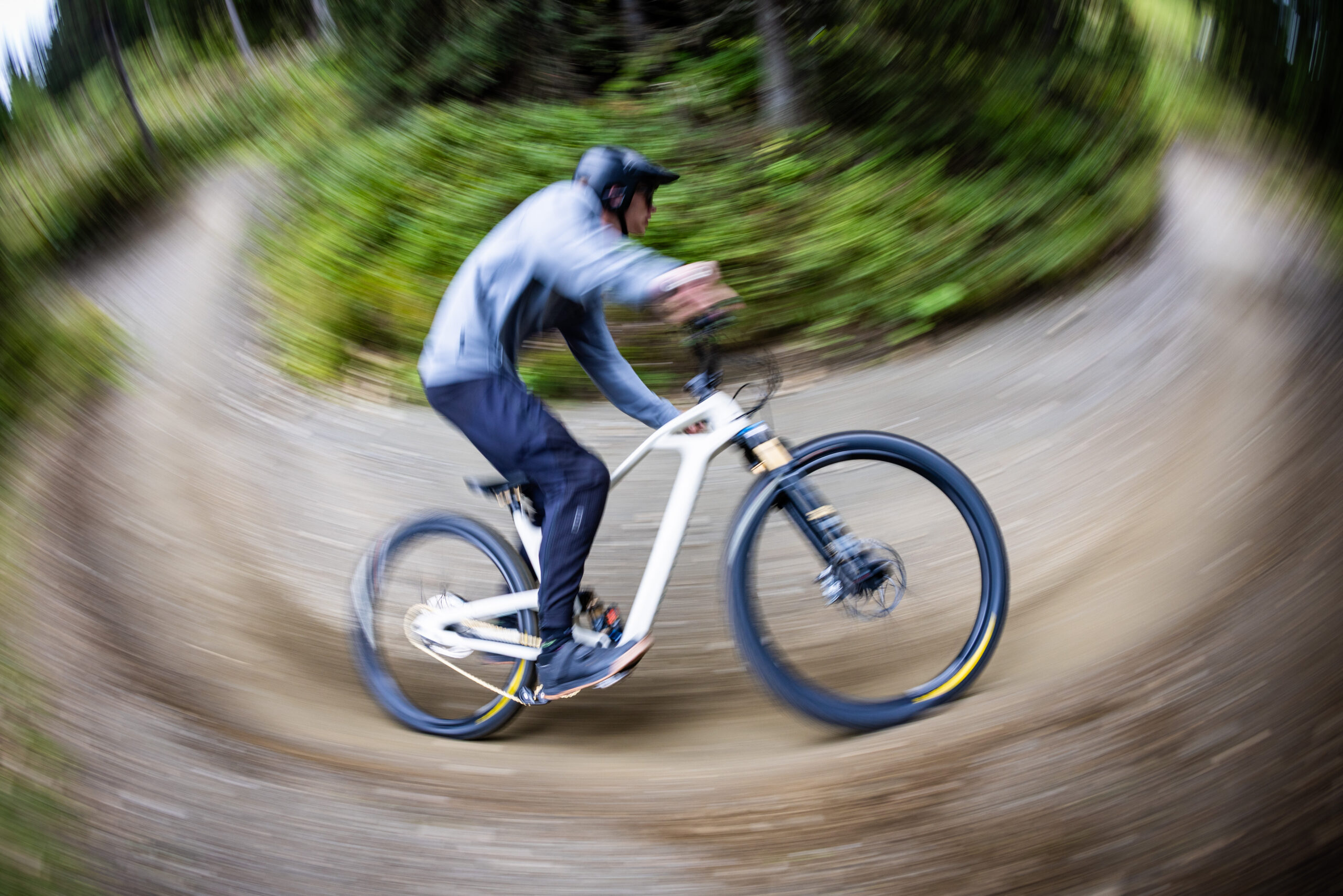
The gap between a merely expensive eMTB and a genuinely premium one shows up the first time the trail gets rough, steep, and fast. That is where premium eMTB brands separate themselves – not in paint, spec-sheet theater, or motor wattage alone, but in chassis control, power delivery, durability, and the way the whole bike behaves after a long season of hard riding.
For experienced riders, the question is rarely which bike has the biggest battery or the most aggressive marketing. It is which brand has the engineering discipline to make a full-power eMTB feel composed under load, efficient on technical climbs, and quiet and precise when the terrain gets chaotic. That is a much smaller field.
What sets premium eMTB brands apart
At the high end, quality is cumulative. A premium eMTB is not defined by a single headline feature. It is the result of frame design, suspension kinematics, drivetrain integration, motor character, component selection, and manufacturing consistency working together.
Start with the frame. Premium brands tend to have a clearer point of view about ride dynamics. You can feel it in torsional stiffness, tracking accuracy, and how the bike holds a line through repeated impacts. A well-designed eMTB frame should manage the added mass of a motor and battery without feeling blunt or disconnected. That takes more than adding reinforcement to an acoustic platform. It requires a structure built around e-system loads from the beginning.
Suspension is usually the next dividing line. On many mid-market eMTBs, travel numbers look generous but the bike rides flat or vague. Better brands tune anti-squat, leverage rate, and progression for the actual speeds and loads that eMTBs generate. The result is more support in compressions, better traction on technical climbs, and less rider fatigue over long descents.
Then there is integration. On lower-tier bikes, the motor, battery, cockpit, and cable routing often feel packaged together. On premium bikes, they feel engineered together. Battery placement affects center of gravity. Motor mounting affects stiffness and noise. Service access affects long-term ownership. None of those details are glamorous, but they matter more than another display mode or a few extra watt-hours.
The real buying criteria for premium eMTB brands
If you are shopping at the top end, it helps to ignore the usual showroom distractions and focus on the things that actually shape the ride.
Ride feel comes first
A premium eMTB should feel balanced before it feels powerful. That means stable at speed without becoming dead in tighter terrain, planted under braking without hanging up in repeated square-edge hits, and responsive enough to place accurately when the trail turns awkward. Geometry matters, but geometry numbers alone do not tell you how a bike transfers weight, loads the front tire, or settles mid-corner.
This is also why demo rides matter more in the premium category. Two bikes with similar travel, wheel size, and motor output can feel completely different once the trail gets steep. The better bike is usually the one that asks less of the rider when speeds rise and mistakes get expensive.
Motor character is more important than raw output
Many buyers still fixate on torque numbers. That is understandable, but it is incomplete. Peak torque tells you very little about how usable the power is on technical terrain. The best systems deliver support with precision, low noise, and minimal lag. They let you modulate traction rather than overpower it.
This is especially relevant for riders who spend real time on natural climbs, awkward switchbacks, wet roots, or loose alpine surfaces. Abrupt assistance can make a bike harder to manage, not easier. A refined drive unit with controlled engagement often feels faster in practice because it lets you stay composed and maintain momentum.
Weight still matters, especially on full-power bikes
Not every premium eMTB has to be the lightest in its class, but the good ones justify every pound. System weight influences cornering, braking, line changes, and how lively the bike feels when the trail demands quick decisions. A lighter full-power bike, if done properly, can deliver a very different ownership experience from a heavier, maximum-battery platform.
That does come with trade-offs. Riders prioritizing huge range for long shuttle-style days may accept a heavier system. Riders who value handling, agility, and a more natural trail feel may prefer a lighter full-power build with a more disciplined approach to battery size and frame mass. Premium brands usually make that trade-off intentionally rather than accidentally.
Why manufacturing philosophy matters
One of the clearest differences between premium eMTB brands and large-volume players is not just where the bike is assembled. It is how decisions get made.
Boutique engineering tends to produce bikes with a stronger internal logic. Material choices, suspension layout, fit and finish, and build specifications are selected to serve a defined ride outcome. Mass-market brands often have to design around price points, broad dealer demands, and annual model cycles. Specialist brands can focus more narrowly on performance and long-term product integrity.
That matters if you care about details such as frame tolerances, bearing quality, serviceability, and whether the bike still feels tight and quiet after months of hard use. Premium ownership is not only about the first ride. It is about how the bike ages.
European-built bikes, in particular, tend to appeal to riders who value close control over production, regional sourcing, and a more deliberate pace of product development. That does not guarantee excellence on its own, but it often aligns with a more exacting build philosophy.
Premium eMTB brands and the maintenance question
High performance means very little if the bike spends too much time on a stand. Serious riders know that conventional derailleur setups on powerful eMTBs can become a weak point, especially in wet conditions, rocky terrain, or high-mileage use.
This is where premium thinking increasingly goes beyond mainstream drivetrain solutions. Low-maintenance systems, more protected drivetrains, and cleaner integration are becoming a meaningful part of the category. Gearbox and belt-drive concepts are especially compelling for riders who value consistency, reduced wear, and quieter operation over time.
That approach will not suit everyone. Derailleur systems are familiar, widely supported, and can be lighter depending on the configuration. But for riders who are tired of hanger alignment, cassette wear, chain noise, and contamination issues, alternative transmission systems deserve serious attention.
A brand like INSTINCTIV is relevant here because it approaches the premium segment from an engineering-first perspective rather than a volume-first one. Lightweight full-power eMTB design, gearbox-driven platforms, hand-made European production, and build-to-order thinking all point to a specific kind of buyer: someone who wants the bike to feel exceptional on the trail and remain mechanically coherent long after the purchase date.
How to judge a brand beyond the spec sheet
Spec sheets are useful, but they are easy to game. Premium brands reveal themselves in less obvious ways.
Look at frame platform clarity. Does the brand have a coherent understanding of what each bike is for, or is the range crowded with overlapping models built for every possible marketing category? Clear platform design usually means better engineering discipline.
Look at component logic. Are the parts selected to complement the frame and intended use, or simply to create an eye-catching MSRP comparison? Premium brands are less likely to chase flashy but mismatched spec. They tend to build around performance consistency.
Look at ownership support. For high-end bikes, setup guidance, demo access, original parts availability, and post-purchase support are not extras. They are part of the product. A sophisticated bike deserves equally sophisticated support.
Finally, look at whether the brand seems led by riding reality. The strongest premium eMTB brands are usually rooted in demanding terrain and actual product conviction. You can see it in geometry choices, drivetrain decisions, and the absence of compromise for the sake of trend compliance.
Who should buy from premium eMTB brands
Not every rider needs this category. If your priorities are entry price, general versatility, or easy availability at a local chain retailer, there are plenty of sensible options outside the premium segment.
But if you are the kind of rider who notices front-end composure in blown-out corners, who cares whether support delivery stays controlled on awkward climbs, and who would rather buy one exceptional bike than cycle through several forgettable ones, premium starts to make sense. So does a brand with a clear engineering identity.
The best premium eMTB brands do not simply add cost. They reduce compromise. They give you a chassis that keeps its shape under speed, a powertrain that works with the terrain rather than against it, and a level of refinement that stays meaningful long after launch-year hype fades.
If you are shopping in this space, ride as many as you can, ask harder questions than the brochure answers, and pay close attention to the bikes that feel calm, precise, and mechanically honest. Those are usually the ones worth keeping.